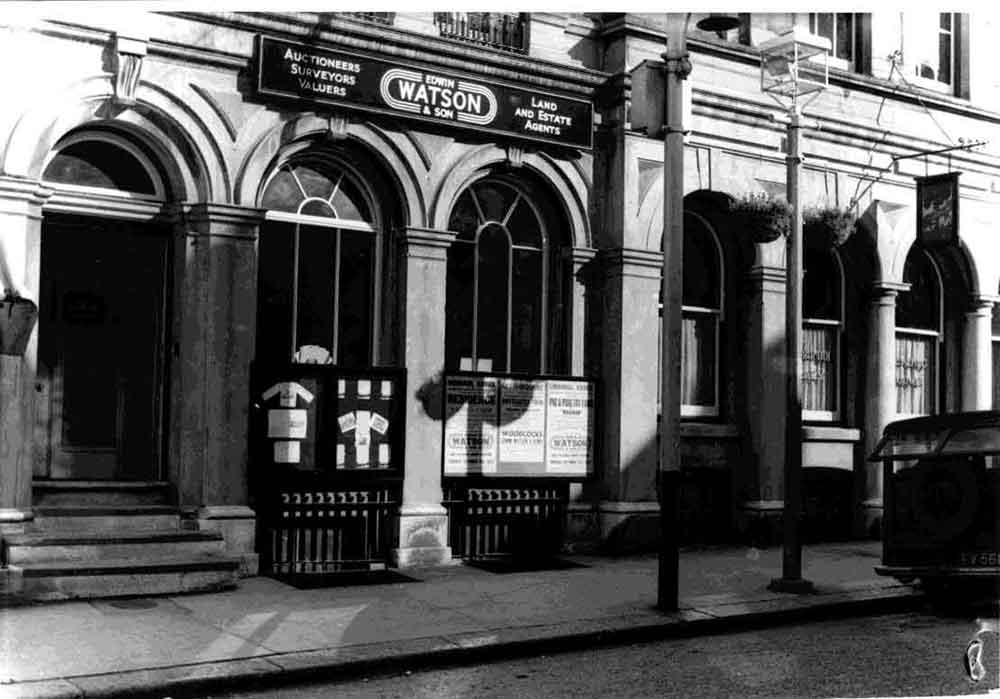
- 1979 Blueprint for Walden Buildings published: Saffron Walden Conservation Study
Lorry drivers like driving through old towns and enjoy the nuisance value they create.
- A Millers’ Tale
In 1798 two children were born, one in Saffron Walden and the other in Elmdon, who would eventually marry and start a chain of events which would link transportation and the treadmill to bakers and mayors of this Essex market town
- A penny for your Thoughts
At the beginning of the reign of Queen Victoria, Henry Hart, printer and bookseller, began to issue his Saffron Walden Year Books, price one penny. The earliest of these in the Town Library is dated 1853
- Adrian Gibson-his Legacy
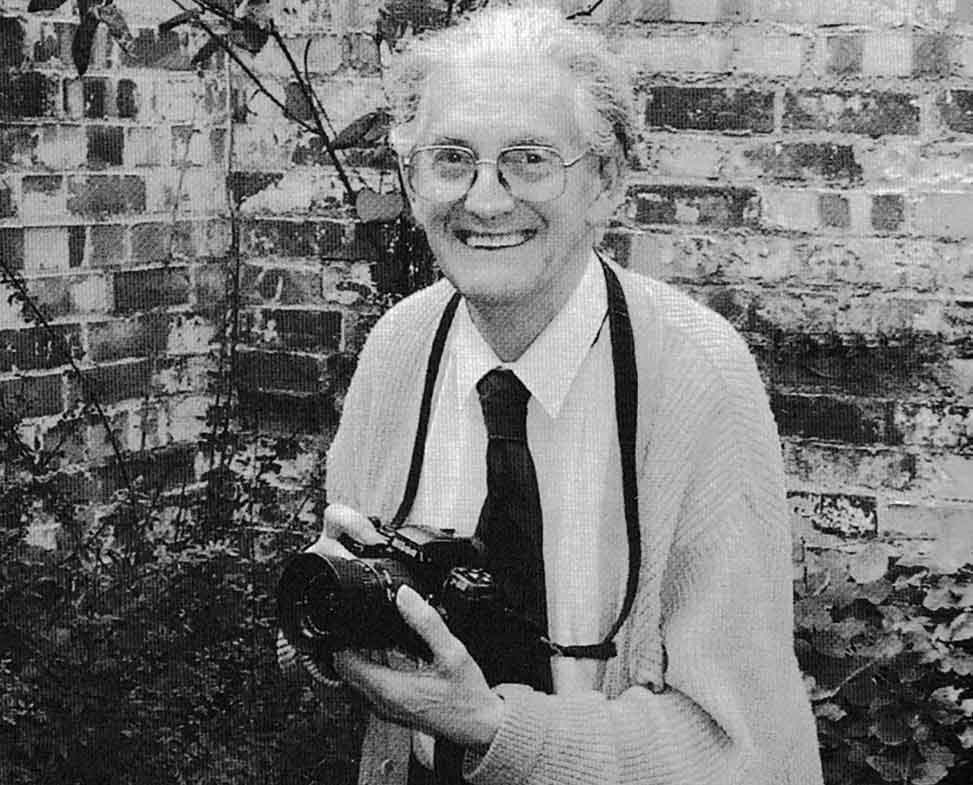
Adrian Gibson, left an important legacy to the town of Saffron Walden by carefully describing and listing many of its most important buildings on behalf of English Heritage
- American air bases during World War Two in East Anglia- their Impact
In 1939 there were only 1,700,000 people living in East Anglia. The main industry continued to be centred around agriculture, but the East Anglian economy was in a poor state in the pre-war period.
- American Bittern: an historic first for Essex
A remarkable detective story began when Nick Green, a member of the Essex Avifauna Committee, joined a group of ornithologists researching specimens of mounted birds kept at museums in Essex.
- Archives of Saffron Walden-Crime Records, Diaries & Letters
Saffron Walden is rich in historical archives, held by the Town Library, Saffron Walden Museum, the Town Council, Essex Record Office Archive Access Point and others, and much of it still largely untapped
- Audley End House-From Jacobean Mansion to Sabotage School, its wartime history
Audley End House, codenamed Special Training School (STS) 43, was the principal establishment for training Polish SOE agents, 1942-1944. They were called ‘Cichociemni’, pronounced ‘chicko-chemny’, which translates as the ‘unseen and silent’.
- Australia-The Connection
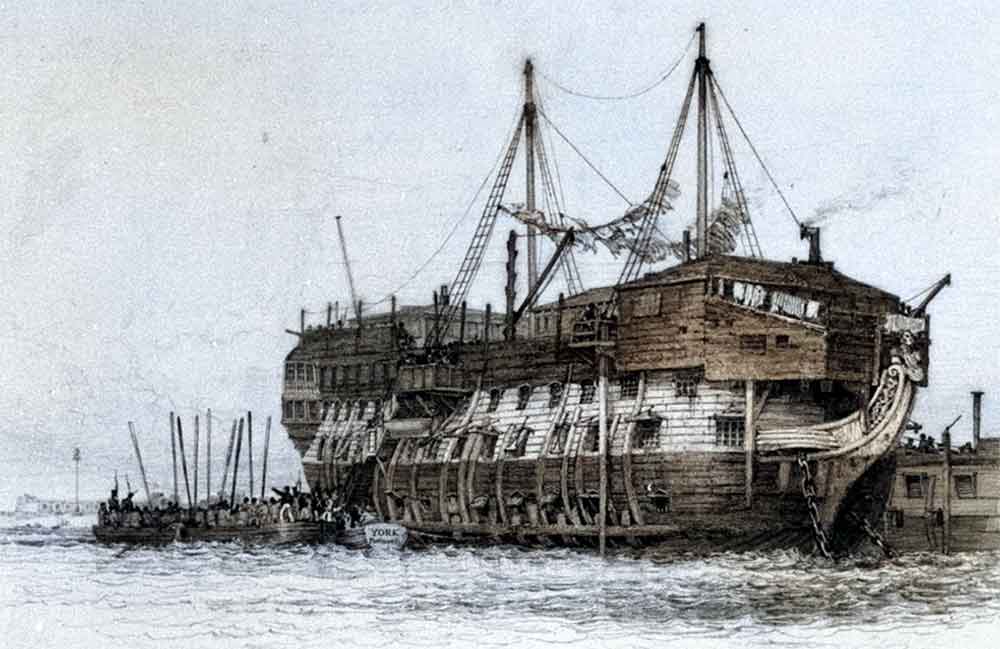
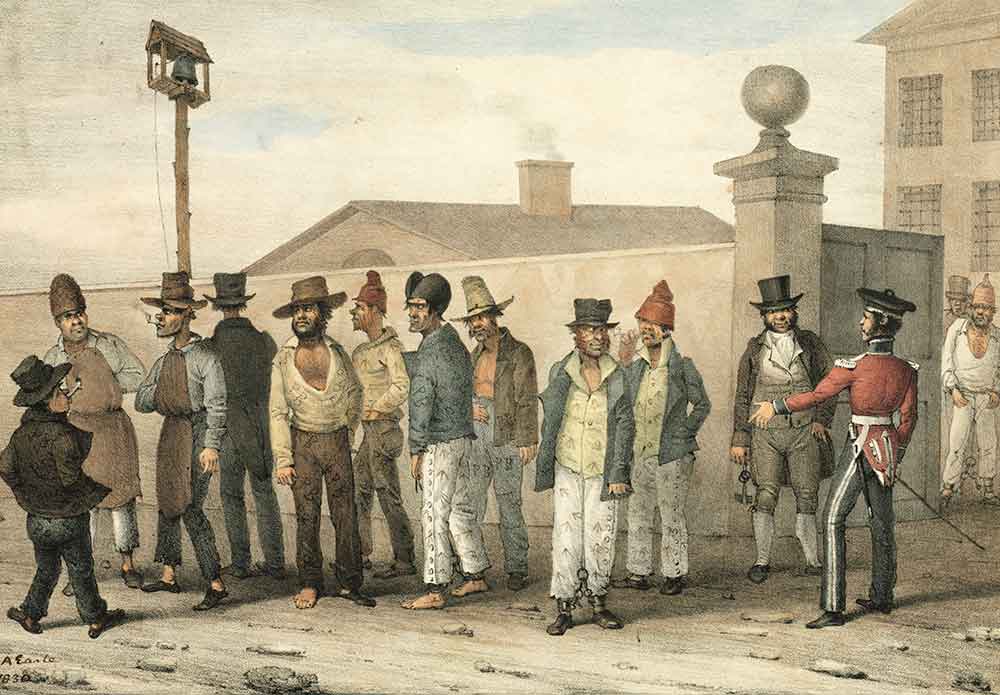
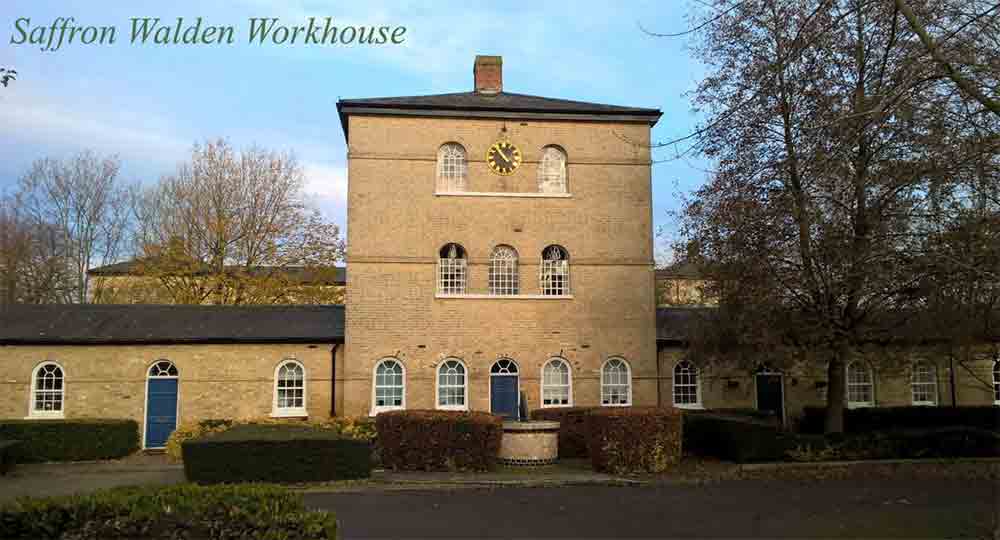
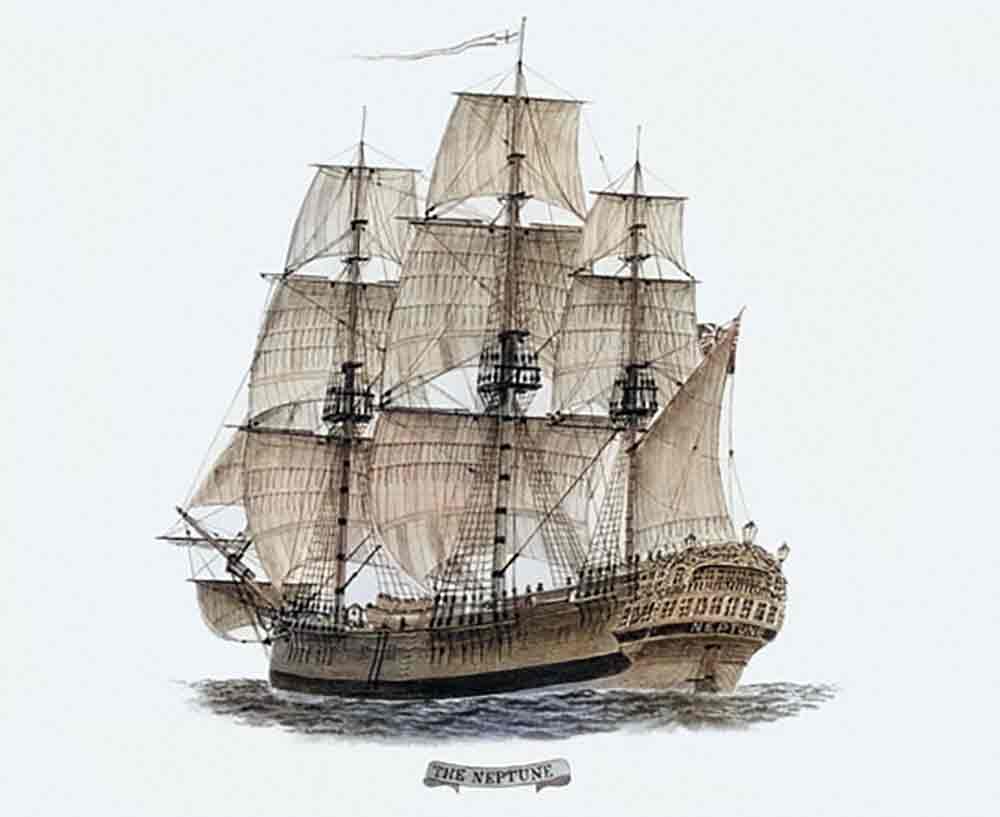
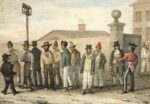
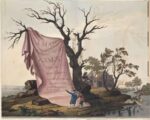
The abolition of the whipping post and stocks in 1818 made Walden appear more respectable; and transportations disposed of troublesome inhabitants.
- Battle Ditches in Saffron Walden
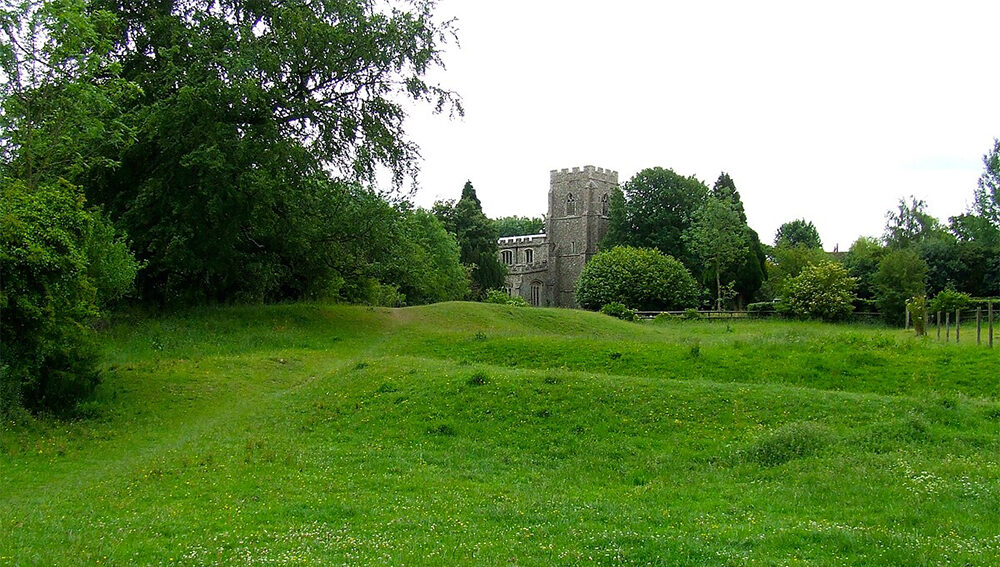
This article brings together some of my reading and offers some suggestions as to the purpose of the Battle Ditches and a possible candidate for the driving force behind such a large undertaking. It should be said that the earthworks are most probably part of the town enclosure, but throughout the article they will be called the Battle Ditches.
- Battle of Assandun, 1016- The Site.
The Battle of Assandun was the event which eventually gave Cnut the Crown of England.
- Boys’ British School, Saffron Walden: Memories, 1937-1964,
‘A man’s world’ – or so it seemed to me when I joined the staff of B.B.S. in 1937.
- Braybrookes-The Succession
The recent death of the 10th Lord Braybrooke, and subsequent national and local press stories around the title only going to a male heir.
- Bronze Age Hoards from NW Essex
Our understanding of local prehistory has been enriched over the past few years
- Camden’s Britannia
Among the treasures of Saffron Walden Town Library are various editions of the first-ever topographical survey of the whole country, by William Camden
- Carnival v Festival
‘About five minutes television film time’, estimated BBC Director, Don Howarth, when questioned by a Weekly News reporter about the results of a To-Night television film team’s visit to Saffron Walden on Sunday.
- Catons Lane-Treasure: results of metal detector survey
With the kind permission of Steve Cox and the Saffron Walden Football Club. I was afforded the opportunity to conduct an extensive survey of the football pitch both before and during soil disturbance
- Causewayed Enclosures and Stone Circles
Causewayed Enclosures are rare in England, with only about 60 known to exist, most of them in the south and south-east, but at least ten of these were clustered in the Cambridge area
- Child Cruelty – Victorian Style: ‘An Awful Case’
The case of Margaret Rickett (or Ricketts) heard at the Saffron Walden County Bench in 1893 is both shocking and distressing but in the light of her background and upbringing it is perhaps unsurprising.
- Churches of North-West Essex
In 1973 the National Association of Decorative & Fine Art Societies or NADFAS (Now known as The Arts Society) set up an ambitious project to record all the features of churches, including names of artists, manufacturers, donors and those commemorated.
- Churchmans of 16th and 17th century Walden, Wenden and Littlebury
People of the middling sort were rare in the 16th and 17th century. In the arable areas of Essex, most people were either farm labourers (i.e. essentially, peasants) or were part of the small, all-powerful gentry.
- Clavering Castle: a mysterious moated monument
Clavering Castle, which lies next to the Parish Church, is a large moated site designated by English Heritage as a Scheduled Ancient Monument, of Saxon or medieval origin.
- Clavering: a study Using Field Names to Reconstruct the Past.
The study of place names requires a knowledge of ancient languages, which discourages contribution by the amateur. Not so with field names, for which the knowledge of local historians can provide vital clues to interpretation.
- Comings and goings in 18th Century Saffron Walden
The general picture of an English market town in the 18th century was one of a settled society with only a limited amount of movement of people in and out of the town.
- Compton Census in NW Essex
In January 1675/6 Gilbert Sheldon, Archbishop of Canterbury, directed that a census be made of the number of inhabitants papist recusants and dissenters in each parish
- Cotman Connections: a case of serendipity
Our search gradually revealed the history of another family in Church Street, one that produced one of our finest watercolour painters, John Sell Cotman.
- Crawley Agrimotor of Saffron Walden
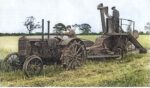
In the early 20th century the town had its own motor-plough production and assembly plant
- Debden Church vault: An investigation of the occupants.
In recent years, the vault beneath the chancel of Debden church has been open to the public during the Church Christmas Fair.
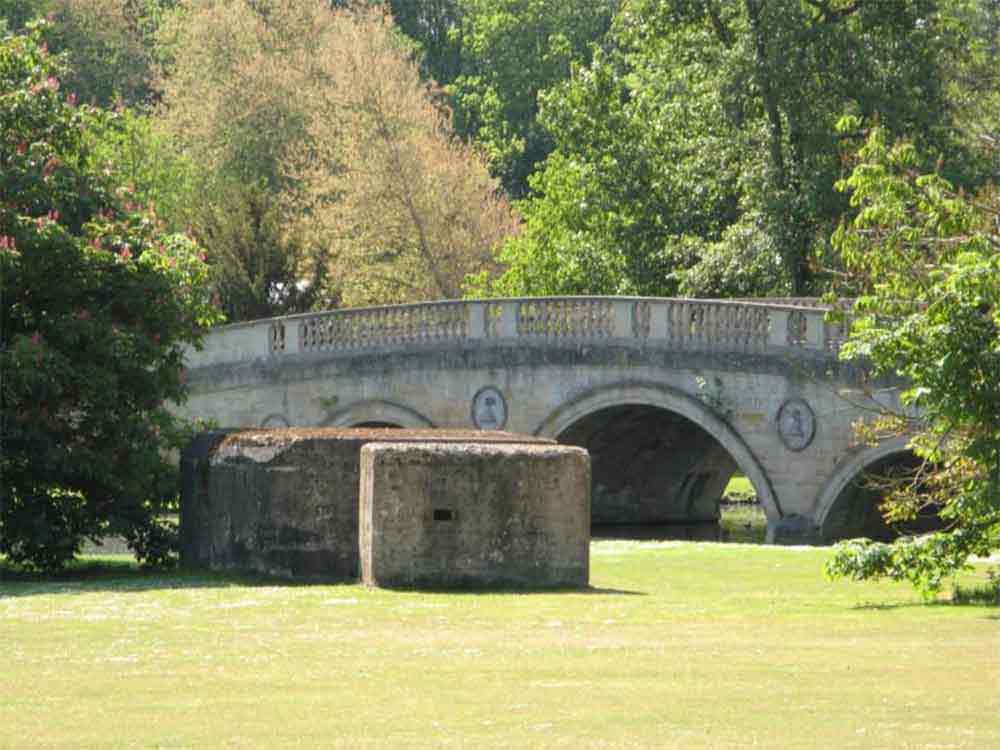
- Demolition Line: WW2 Defences Littlebury Bridge to Shortgrove Bridge
It is over 70 years ago that the GHQ Defence line was finished. An answer to the public, who at that time were asking from the fear of invasion after Dunkirk, ‘and what are they doing about it?’
- East Anglia and the Abolition of the Slave Trade
Between 1690 and 1807 it is estimated that some 11 million Africans were transported across the Atlantic as slaves
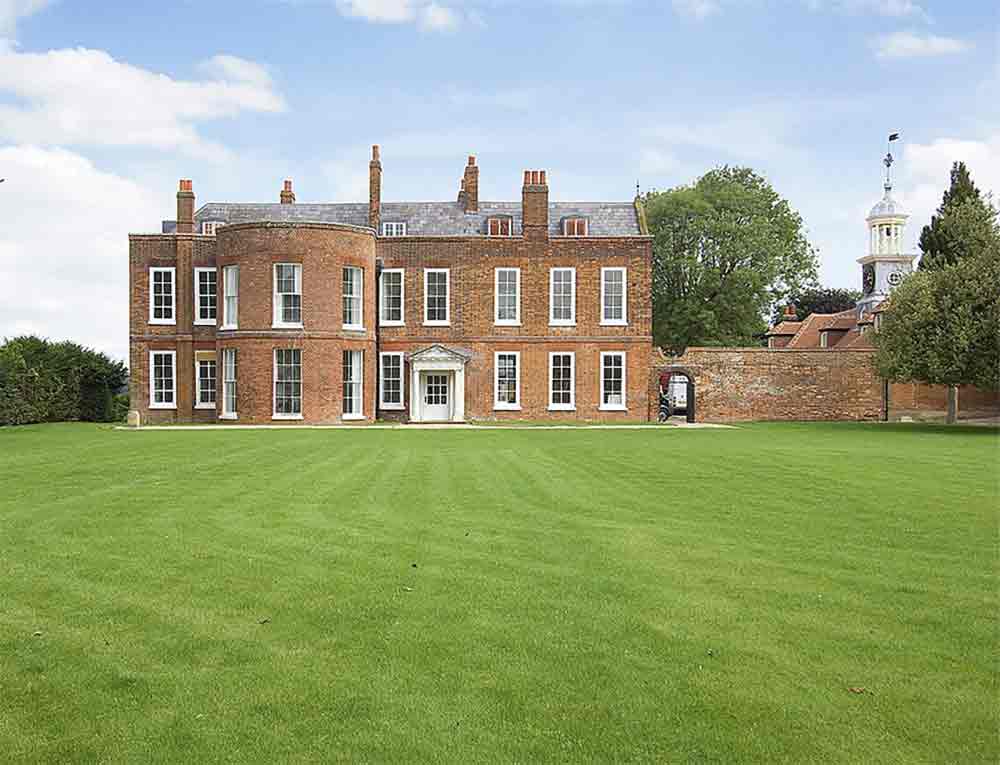
- Eastacre, Saffron Walden, the House that Mr Robinson Built
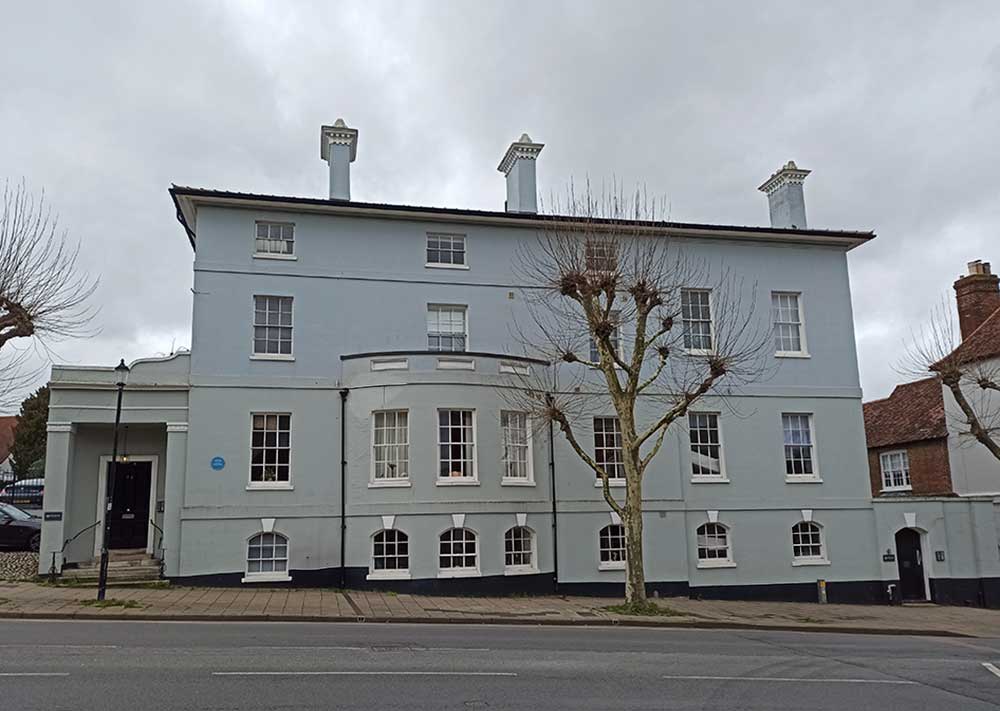
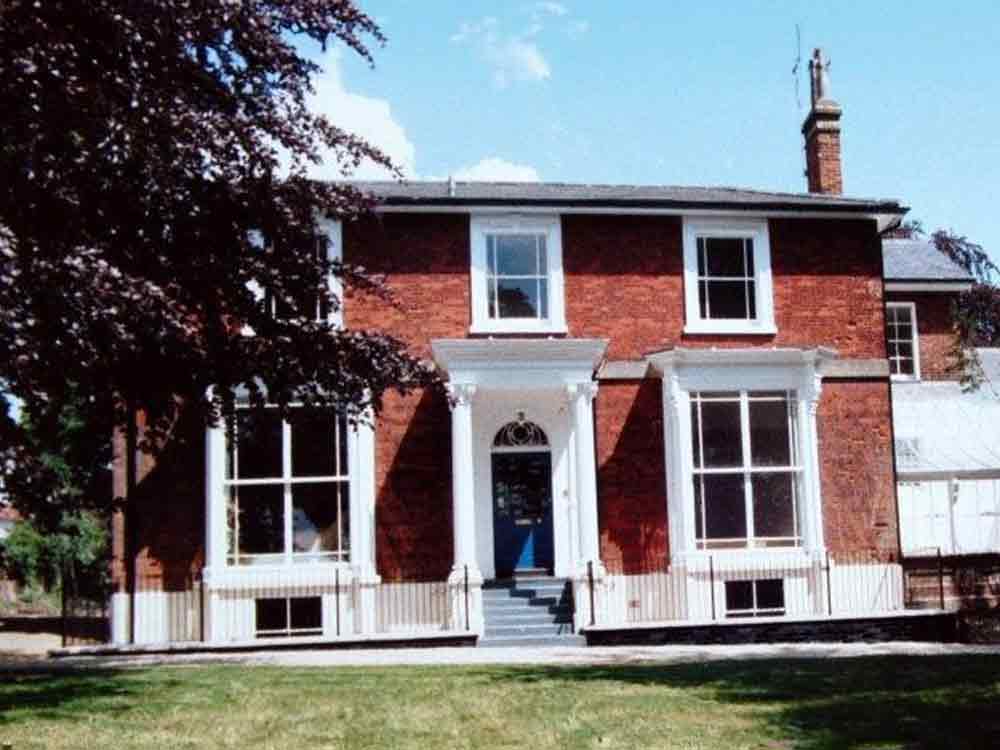
Eastacre in Chaters Hill is one of the most elegant houses in Saffron Walden. Its classical Georgian proportions and the superb craftsmanship with which it was built contrive to provide a feeling of tranquil respectability.
- Edward Colston (1636-1721)- The Slaver Who Owned Strethall
Until Edward Colston’s statue was pulled from its pedestal and thrown into Bristol harbour in June 2020, most of Britain had no idea who he was.
- Eglantyne Jebb
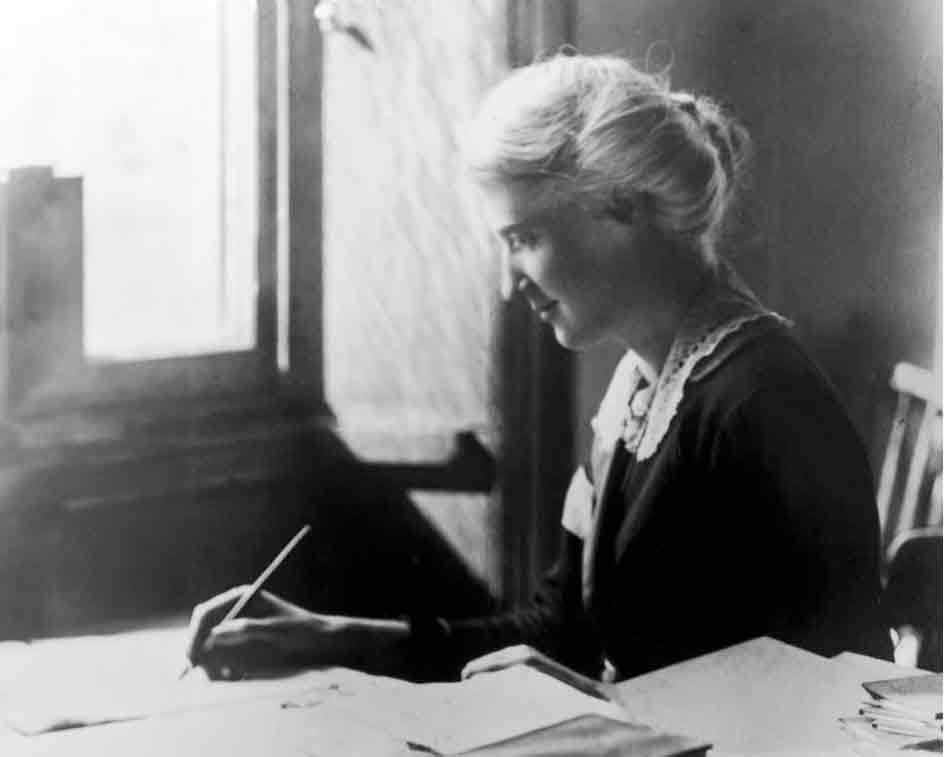
Eglantyne Jebb moved to Cambridge in 1901, making a new start after a disastrous stint as a teacher, and to be close to her uncle Richard Claverhouse Jebb, Chair of Greek, and MP, at the university.
- Engelmann Nursery, Saffron Walden- ‘Say it with Flowers’
The difficulty of producing flowers throughout the year in the unfavourable British climate was finally solved by the development of the heated greenhouse.
- Essex Record Office Archive Access Point in Saffron Walden
The Essex Record Office Archive Access Point in Saffron Walden was opened in January 1996 in response to prolonged lobbying from local organisations, historical groups and individual historians
- Fishmere and the Brickworks
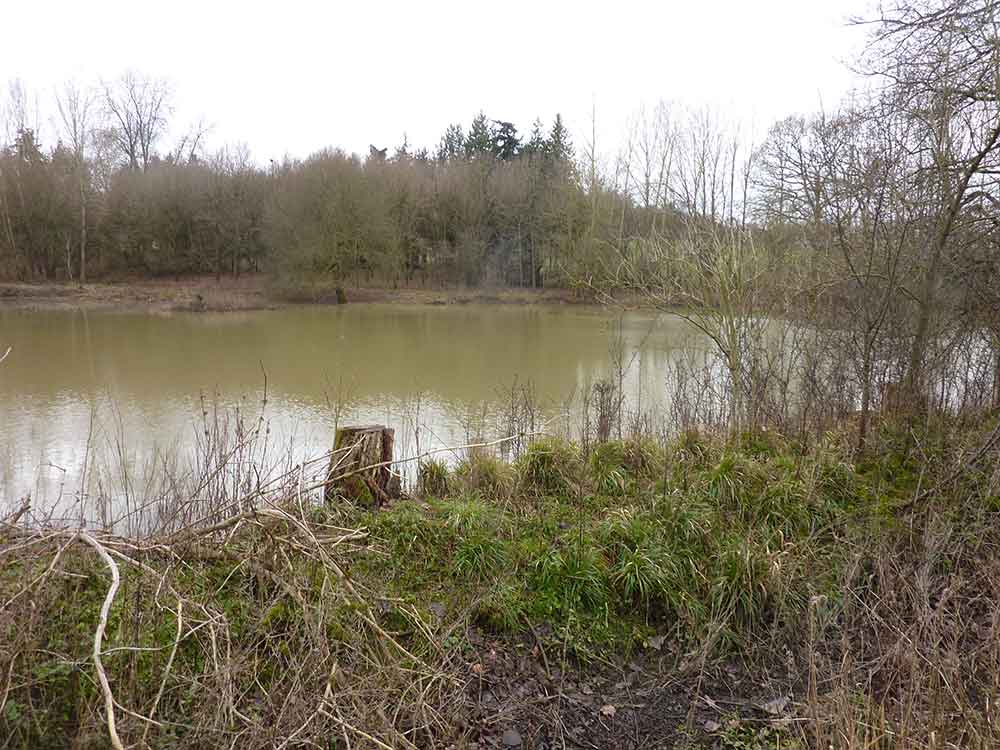
If you walked along Chestnut Avenue towards the Old Cambridge Road last winter, you’ll have had a surprise: a large lake seen through the trees to the south
- Four Acres Community, Saffron Walden 1962-2012
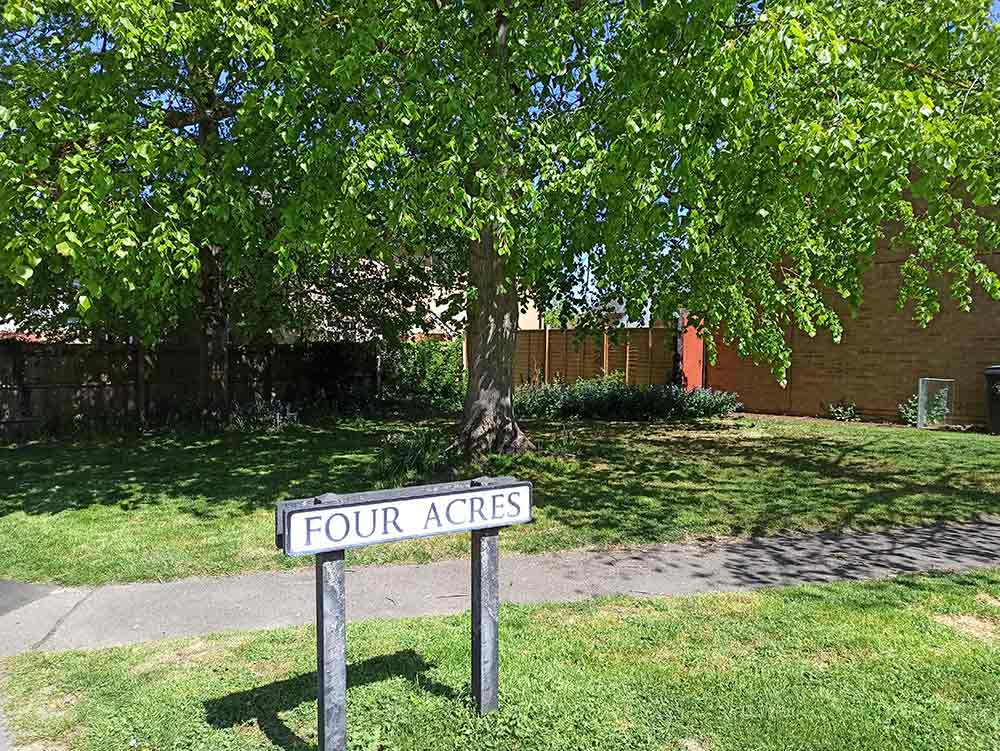
A front page report in the Saffron Walden Weekly News of 20 November 1959 declared: £65,000 FOR ELDERLY FOLK'S HOME
- Francis Gibson’s Garden
Francis Gibson (1805–58), the youngest of Atkinson Francis Gibson’s children, conceived and designed Bridge End Garden, previously known as Fry’s Gardens.
- Gibson Boulders: a remarkable collection of Ice Age boulders in Saffron Walden
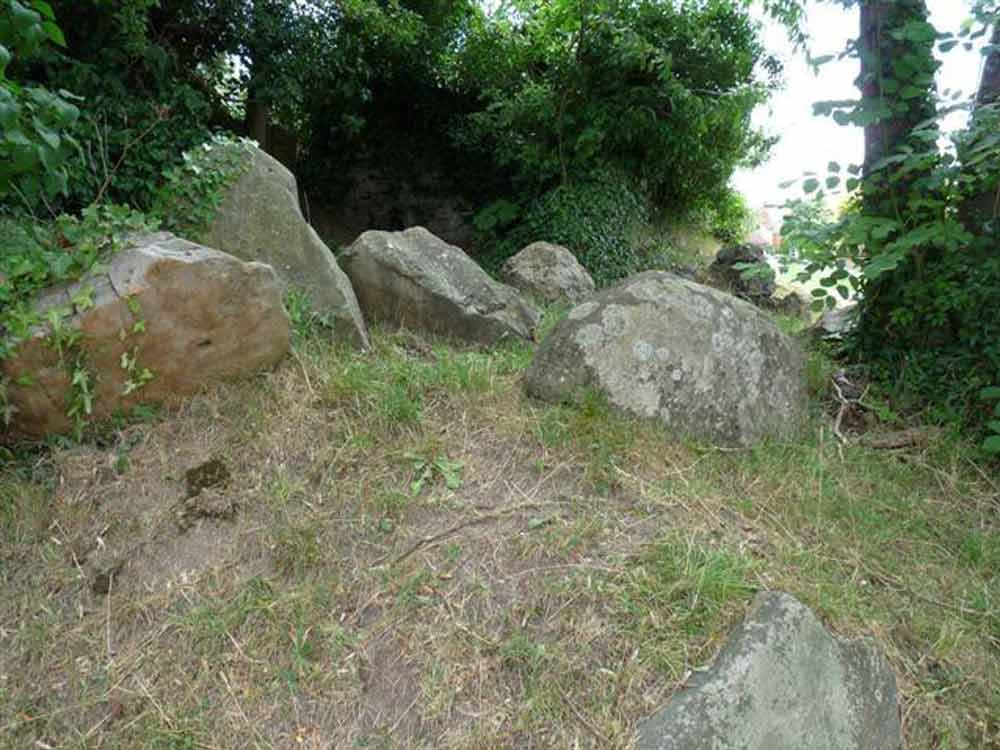
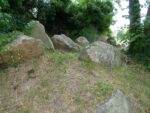
At the junction of Gibson Gardens and Margaret Way in Saffron Walden is a mound of grass with a few trees. On closer inspection it becomes apparent that there are also a number of large boulders here, some lying on the surface and others poking through the grass.
- Gold Coin and a Forgery: Iron Age and Roman Discoveries from a field walk in Littlebury Parish
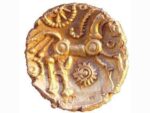
Within the parish of Littlebury and close by at Catmere End, flints, prehistoric pottery, Iron Age remains and artefacts of the Roman period have come to light
- Gold Street Chapel
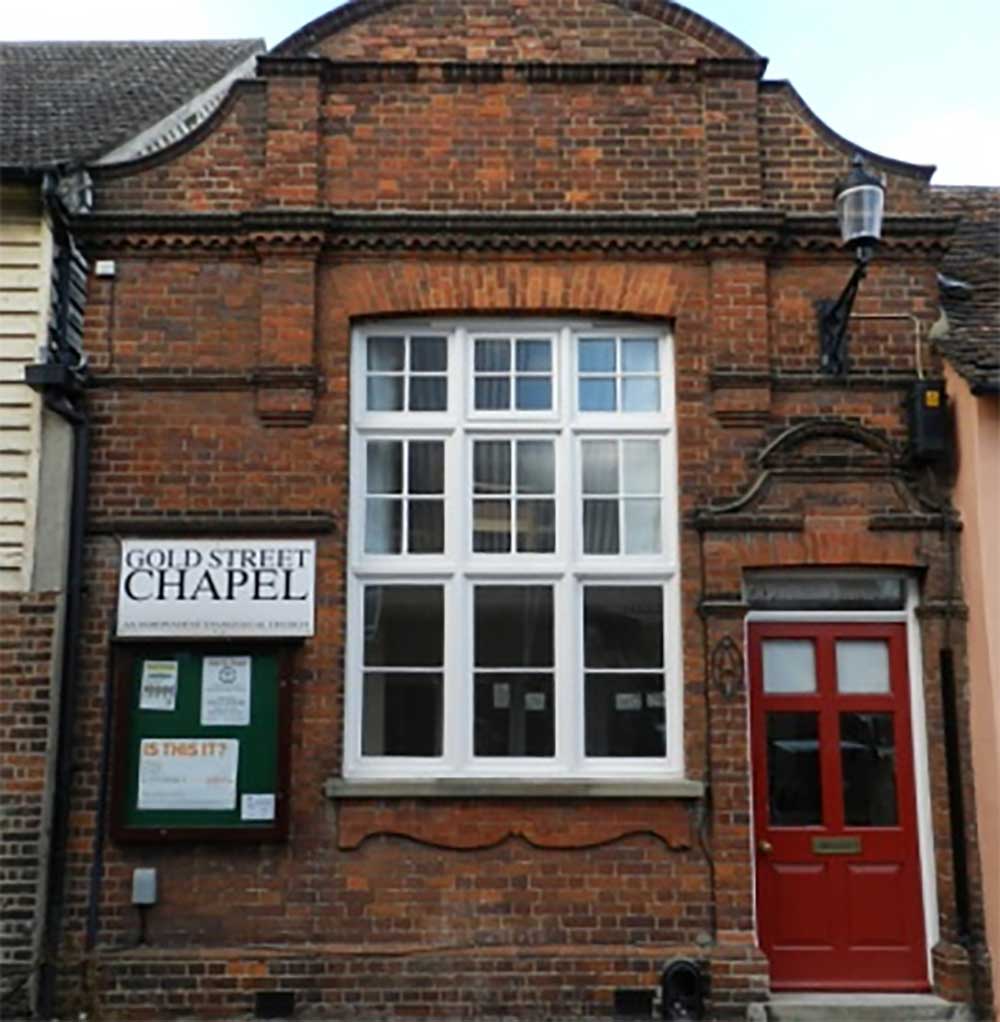
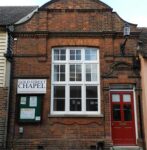
I was born in Walthamstow, in April 1940 during the WW2 Blitz. As a family we were sent to live in Saffron Walden,
- Gold Street Fire, July 1941
It seems ironic that the biggest fire in the town during the Second World War was not caused by enemy action, but through what was probably an electrical fault.
- Goodbye Woolies
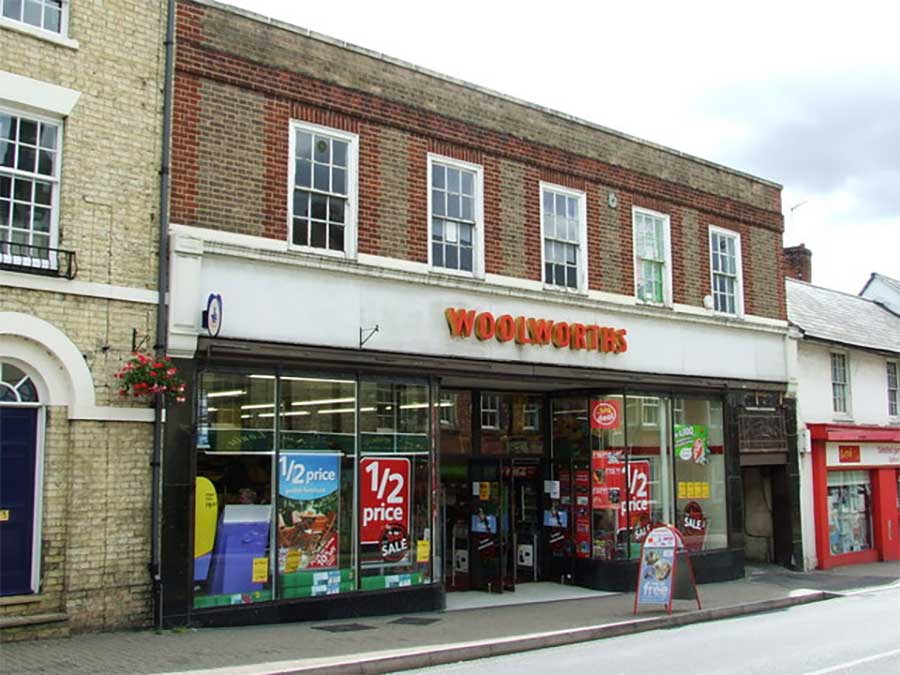
two old properties were demolished and replaced by Woolworths’ splendid new modern store.
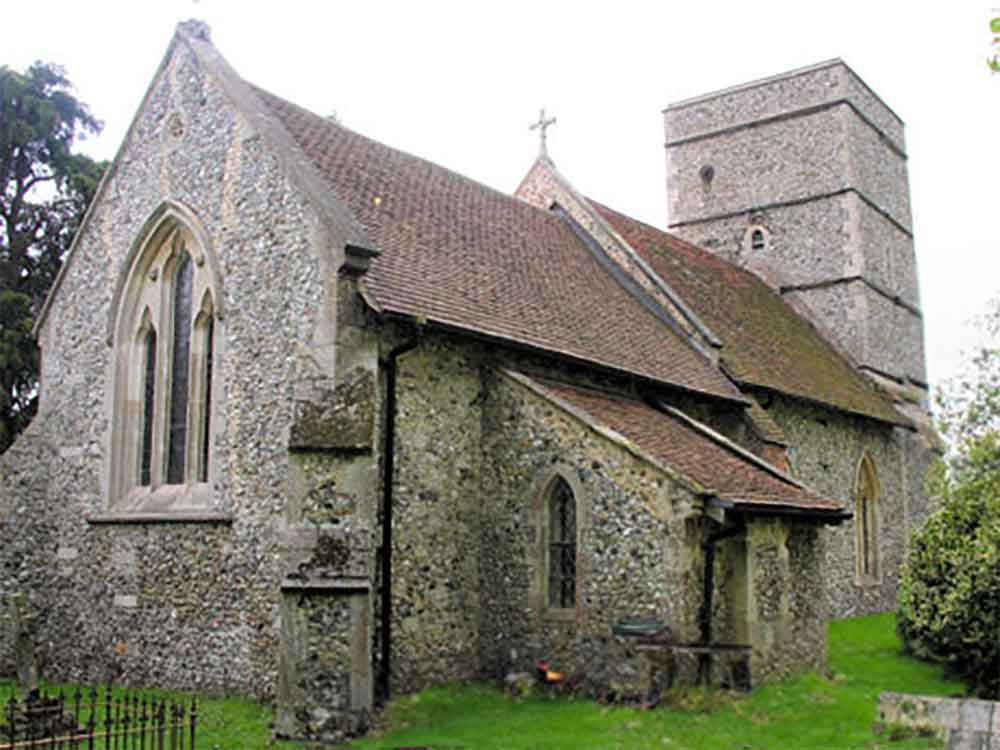
- Hadstock Church
On Saturday 5 July 2003, microcores were taken from Hadstock Church Door by two leading dendrochronologists from Oxford University, Dan Miles and Dr Martin Bridge, in an attempt to get a date from the tree rings. … The great oak door was lifted off its hinges and laid on rugs over the pew backs, for the drill to be fixed very securely into place.
- Historians of Essex
The now considerable corpus of Essex historical literature and historiography is an important component of county tradition and its heritage. This brief survey of the Essex historians and their books is necessarily constrained by considerations of space and content.
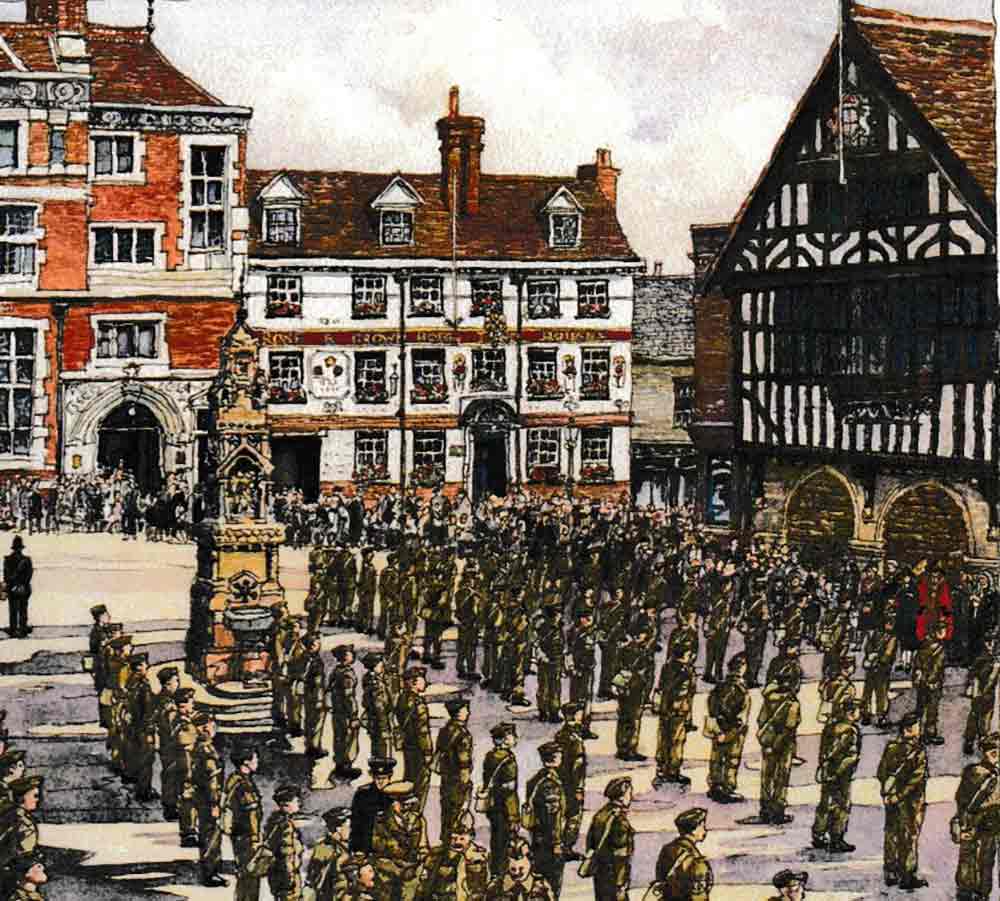
- Home Guard in Saffron Walden
When, in May 1940, the German Army quickly invaded France, Holland and Belgium, there was a real fear throughout the country that Britain would be next.
- Horham Hall Farm, Thaxted, 1807
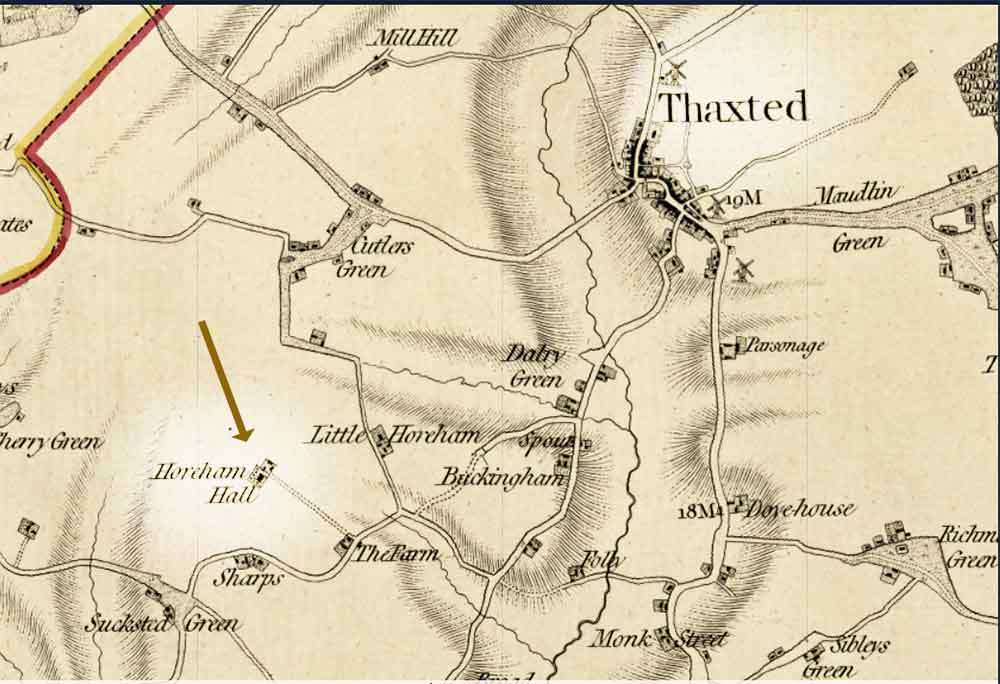
About one and a half miles out of Thaxted on the Broxted- Elsenham road (B1051) near Armigers Farm, there is a private road leading to Horham Hall,
- How Saffron Walden correlates to the Demographic Transition Model between 1700 and 1850
Saffron Walden was a town that was relatively unaffected by the Industrial Revolution, not experiencing vast amounts of in-migration. Instead it continued to thrive as a market centre for the surrounding villages
- Hunger Marchers in Saffron Walden (‘We refuse to starve in silence’)
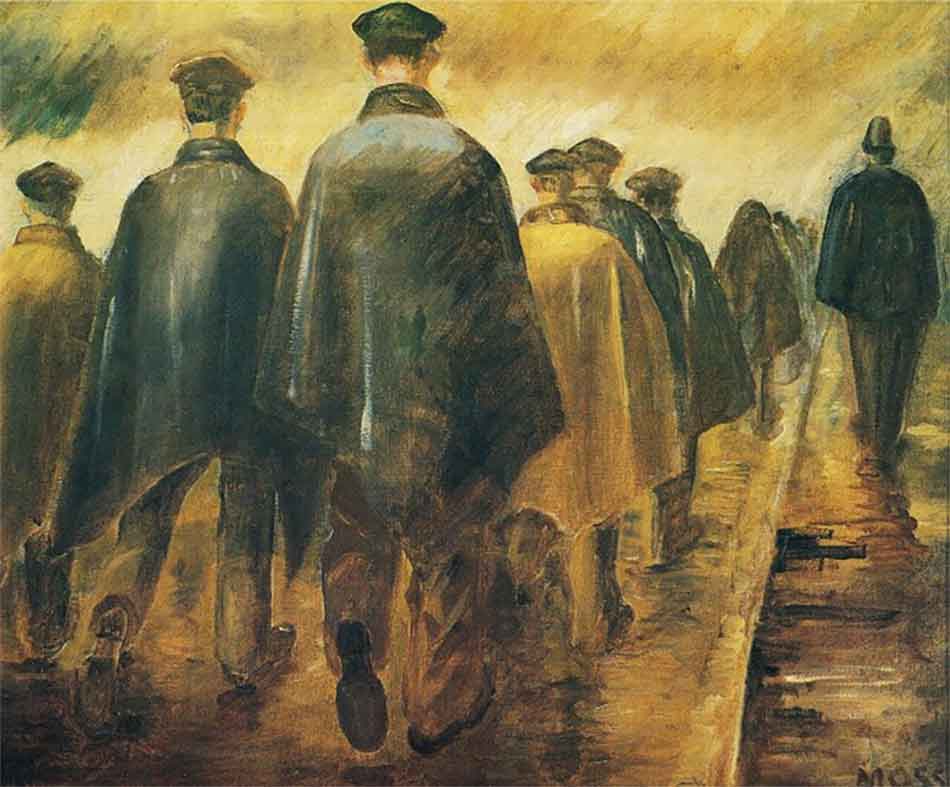
The Hunger Marches took place in Britain between 1922 and 1936 against a background of severe unemployment
- Imperial Strethall
William Raymond Lluellyn, a Colonel in Queen Victoria's Army, was Lord of the Manor in Imperial Strethall from 1890 to 1900.
- John Collin, Attorney of Saffron Walden, 1740- 1783
John Collin, who was born in 1740 and died in 1783, was an attorney and banker from Saffron Walden.
- John Farmer, Quaker of Saffron Walden and his Travels in America: 1711-1714
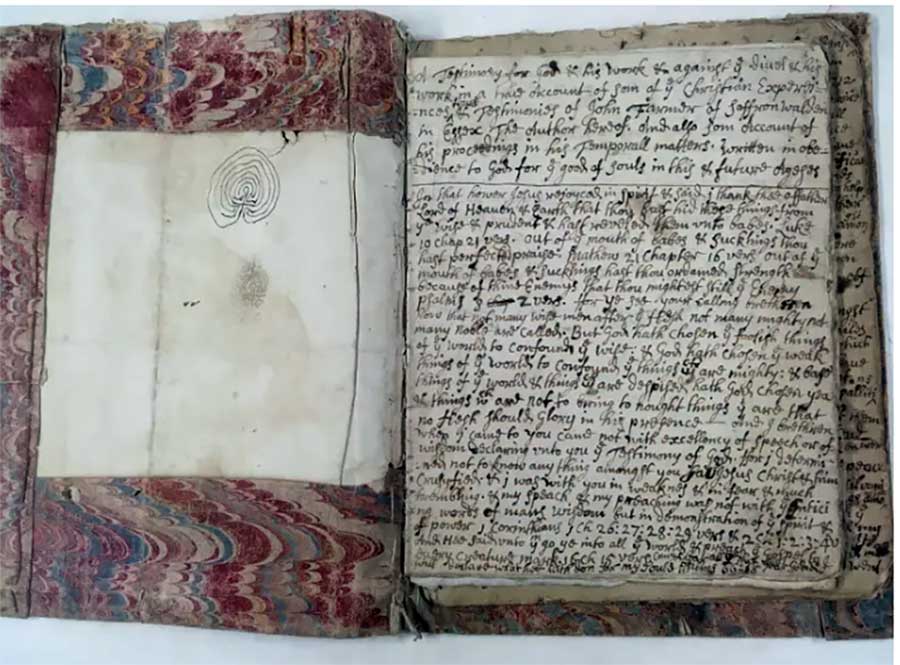
John Farmer, a Quaker living in Saffron Walden in the early 18th century, asked for permission to travel further than most – to America.
- John Harvey’s Carved Mantlepiece (c.1570): an early instance of the use of Alciato emblems in England
A substantial mansion in the centre of town had been the dwelling of John Harvey (d. 1593), yeoman farmer, master rope-maker, and father of the English renaissance scholar and poet Gabriel Harvey (c.1550-1650).
- John Newman: Martyr
A blue plaque with the above inscription is to be found on the wall of Saffron Walden Town Hall above the western end of the front portico
- Langley Methodist Church Closure
The final service at Langley Methodist Church on Sunday 18 July 2004 marked the end of over 142 years since the chapel was opened in 1862
- Lief Aalbu’s Scrapbook
Amongst the papers of former Town Clerk H. C. Stacey in the Saffron Walden Town Library is a cheap red scrapbook that provides a unique insight into life in Saffron Walden during the second half of WW2
- Little Walden: The Medieval Park
Deer parks were an established landscape feature in medieval Essex. It has been stated by Oliver Rackham that about 160 medieval parks were known to have existed within the county at different times which represents one to every 9.6 square miles.
- Littlebury-a walk back in time around the bounds
On Sunday 21 May 2006 the History Group of the Parish of Littlebury Millennium Society re-created the ancient tradition of beating the parish bounds.
- Lost Parish of Thunderley
Thunderley was a parish in NW Essex till the 15th century when it was judged unable to support a parson and merged with neighbouring Wimbish.
- Malt Stealing Case in Saffron Walden, 1833
In 1833, Saffron Walden was gripped by scandal as a malt-thieving scam of enormous proportions unfolded. The story has already been summarised in print, and what is given here is an abbreviated transcript in chronological order of some of the major archives relating to this unprecedented and very complicated court case.
- Manuden in wartime : A Moment in Time
The last few household possessions had been securely lifted into Mr Horley's van and my mother had gone back to the cottage to lock the front door. She tried the handle again to make sure it was locked.
- Martin Robinson’s Notebook
The Catlin and Robinson families were well-known in this area at one time, and among family mementoes is an undated (probably early 20th century) notebook belonging to Martin Catlin Robinson, 1860-1933.
- Memories of Broxted
‘The date is 1910, when as a girl of twelve years, I lived in a small village among the meadows, brooks, and endless miles of flowering hedges and trees. All was peaceful in my little village… a church, post-office, mill, school and a candy shop.
- Miles Graye Made Me…
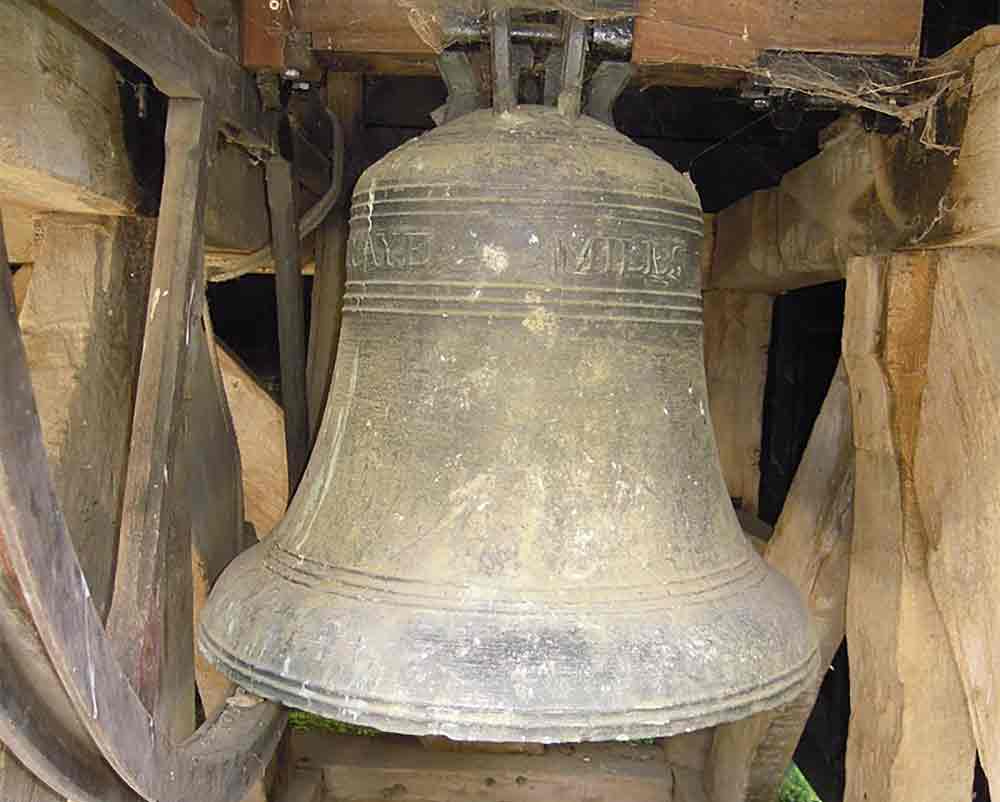
It is sad that we so often fail to notice the local history that is all around us. For 40 years I have sat in Newport Church Sunday by Sunday and seen the shield often, on the wall of the north aisle with the words: 'Miles Graye made me 1620'.
- Miss Ruby Violet Hurn 1908-2007
On 1 October 1908, Ruby Violet Hurn was born at Madison Bull Lodge, Audley End, where her father, Harry Hurn, was head groom to Lord and Lady Howard de Walden.
- Moat Farm: The Murder – new documents
The story of this scheming, philandering killer, Samuel Herbert Dougal and his callous elimination of Camille Holland, in order to get hold of her money, has been retold so endlessly in numerous books and articles, even novels and plays, that one would think there was nothing left to say on the subject.
- Molehill Green Landscape History
Molehill Green, a hamlet which is part of the parish of Takeley, bordering on Broxted, was envisaged to almost completely disappear if the proposal to build a second runway for Stansted Airport had gone ahead
- National Trust in Saffron Walden and North-West Essex
The National Trust in recent years has spoken out about the damage that could accompany ill-considered decisions to build on green-field sites as a result of the relaxation of current planning policies.
- Not Jumbo: Saffron Walden Museum’s Elephant 1834 – 1960
One of the most illustrious specimens to be displayed in Saffron Walden’s museum was the famous elephant. Yet it was very nearly sent away without being unpacked. It arrived in the country in 1834, together with a large number of other southern African animals and birds, as a response to a letter written by Hannibal Dunn, one of the founder members of the Saffron Walden Natural History Society.
- Number 1 Myddylton Place, Saffron Walden,the History and Architecture
Saffron Walden's Youth Hostel stood on the corner of Myddylton Place and Bridge Street, once the main trading route and busy thoroughfare leading from London to Cambridge.
- Orford House, Ugley
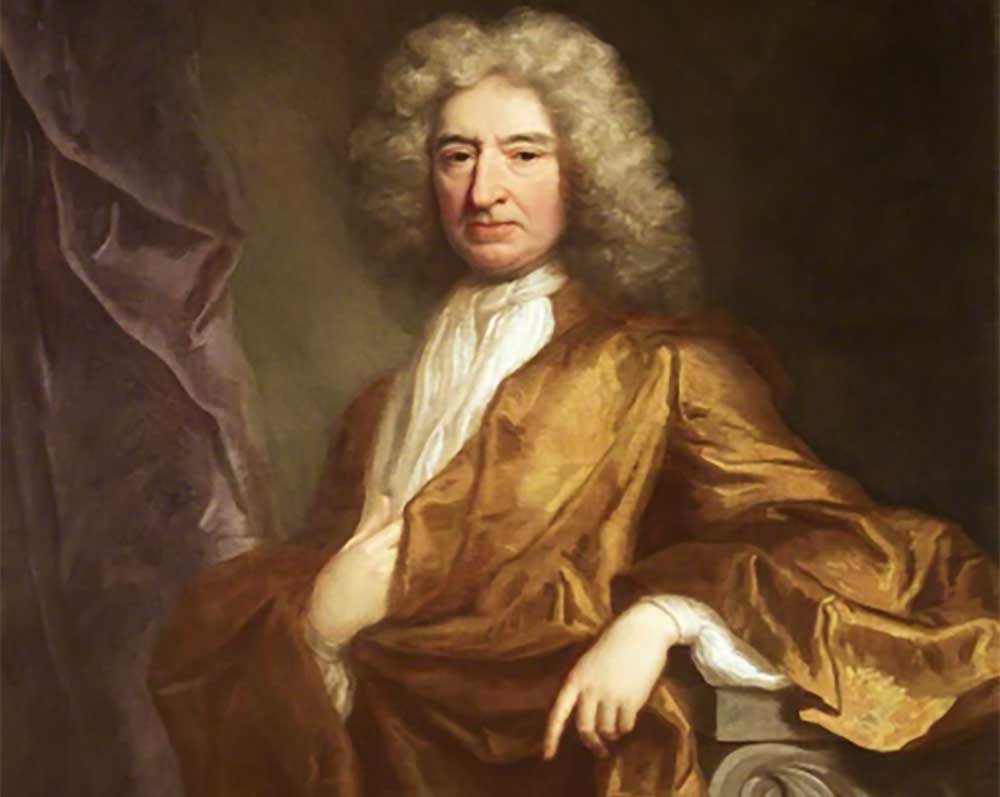
Orford House at Ugley in NW Essex is an imposing Grade II* Listed Building thought to have been built in c.1699.
It was owned by Admiral Edward Russell.
- Pledger Family- Researching ancestors
Researching my ancestors is something I had always wanted to do, but where to start was the most difficult thing, as I knew nothing about my grandparents, not even their Christian names
- Portrait: David Campbell (1921-2001)
Everyone and no-one knew David Campbell. Everyone from Rab Butler and Stanley Wilson to the little boy playing an angel in the Nativity play
- Potatoes (Solanum tuberosum)
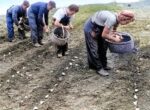
The first question that has to be answered is ‘why the potato?’ – surely a mundane subject for a local history journal?
- Pre-Enclosure Maps of North-West Essex: 1
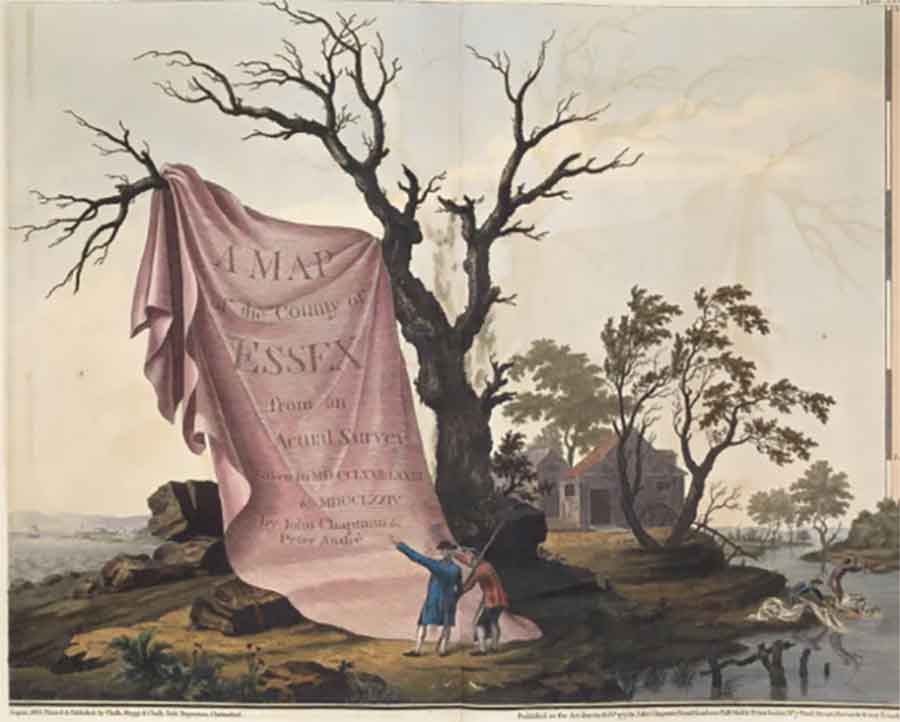
The official Enclosure Maps and the corresponding Awards are well known, original copies being deposited in county courts and parishes.
- Private Boarding Schools for Females c.1791-1861 or ‘Establishments for Young Ladies’ with emphasis on Saffron Walden Ladies’ Schools
After 1779 many private schools sprang up to cater for the needs of those who were not only dissatisfied with the old- fashioned, grammar schools for their sons, but also wanted education for their girls.
- Prof. Steve Osbourne – renowned diver and swimmer
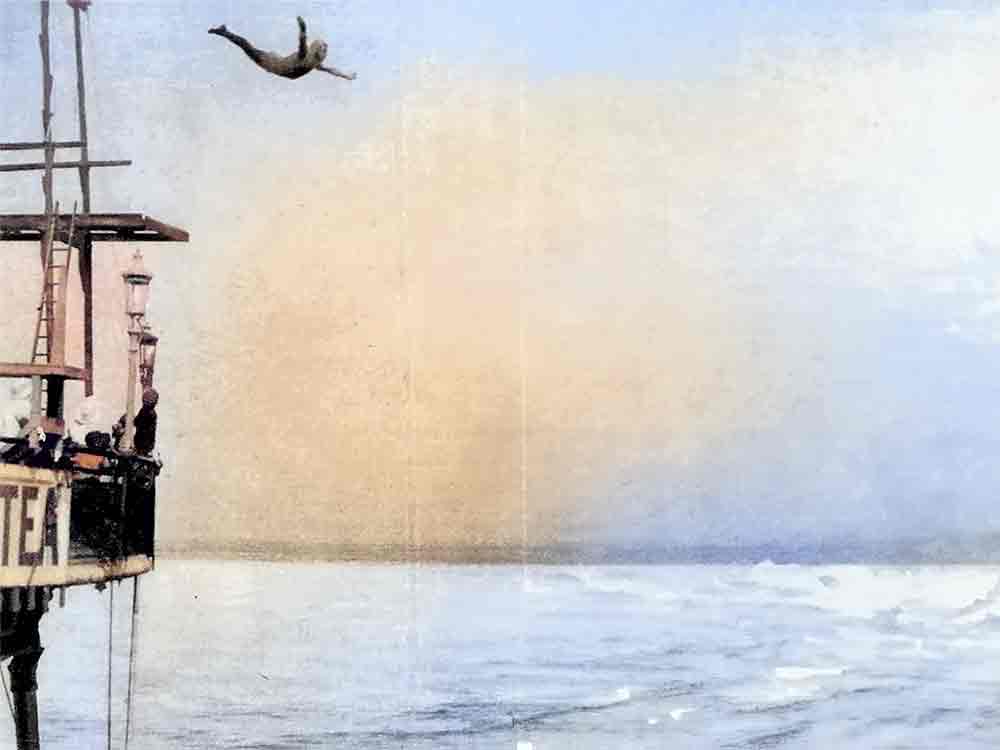
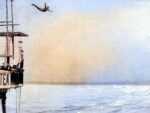
"Prof' Steve Osbourne was a renowned diver and swimmer who entertained seaside visitors by undertaking daring aerial aquatic feats from, amongst other sites, the piers of Lowestoft and Great Yarmouth.
- Prosecution Associations in NW Essex
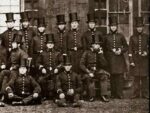
Before the advent of the modern day police service, the Parish Constable maintained law and order at parish level. He would be elected from the parishioners on a yearly basis on Easter Monday of each year.
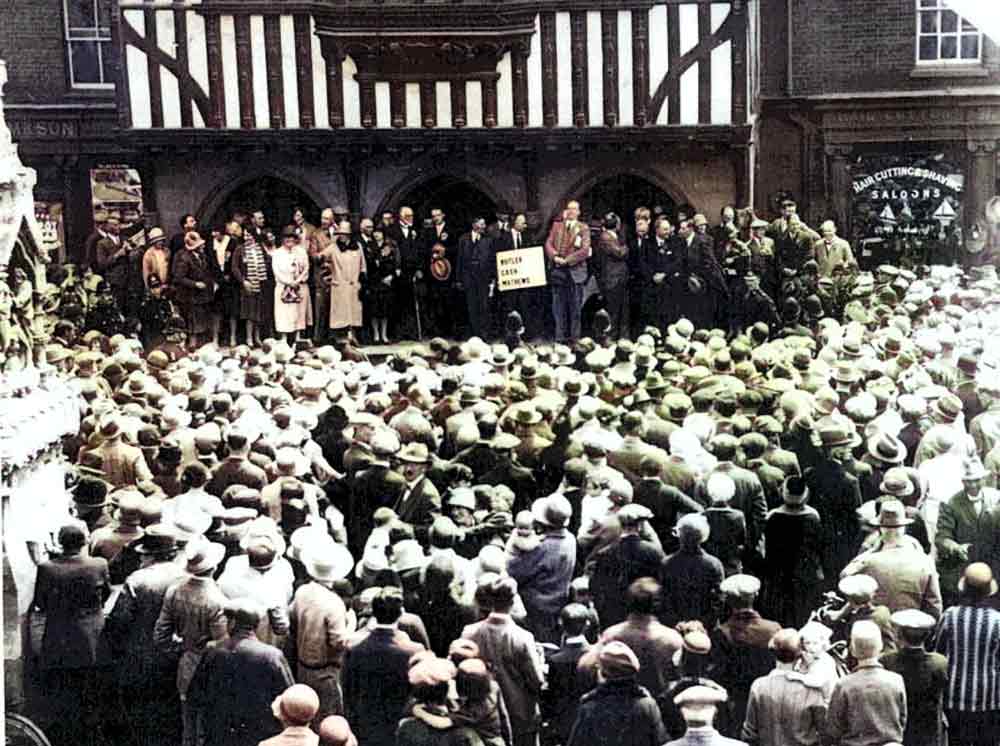
- R. A. Butler: Member of Parliament for Saffron Walden, 1929-1964
Richard Austen Butler was born in India to a family steeped in colonial administration and with a formidable educational background. With those initials it was inevitable that he would be known as Rab.
- Radwinter’s Remarkable Reredos
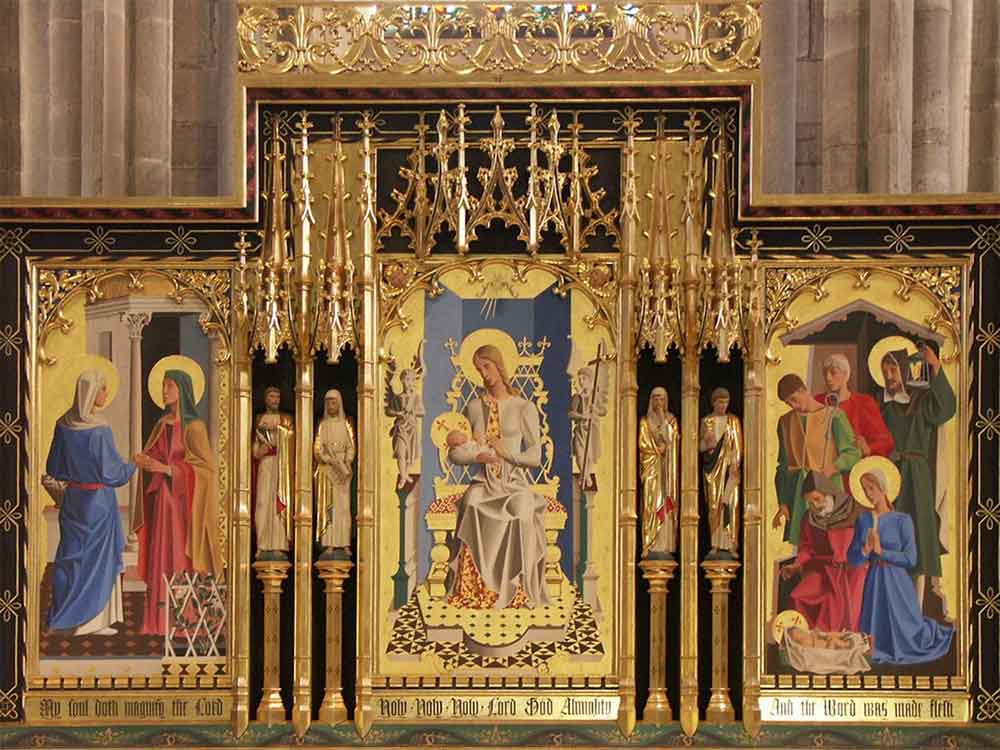
A 16th-century altarpiece of international importance was restored to its full splendour and returned to the parish church of St. Mary the Virgin, Radwinter in September 2003.
- Radwinter’s Wartime Harvest Camp
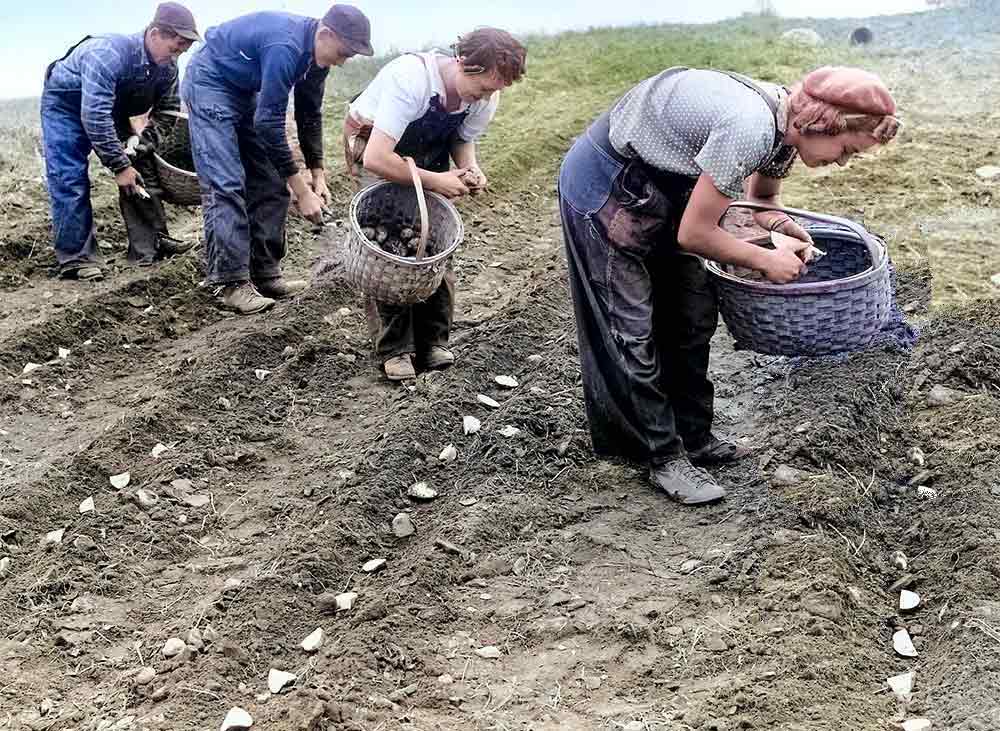
The country was hard-pressed to feed itself during the war, looking to the farmers to plough every last acre. Come harvest time, there was a shortage of labour.
- Recent Archaeology in Saffron Walden Town Centre
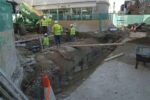
Saffron Walden has one of the best preserved historic centres in Essex.
- Reminiscences of a Country Auctioneer
The profession of auctioneer is very old and well-respected. It can certainly be traced back to Roman times when, amongst other things, slaves were sold by auction.
- Return of ‘The Cuckoo’
Some years ago while perusing the stock in a well-known Saffron Walden antique shop, I chanced upon an unusual, and at the time unidentified iron object
- Reverend John Hanson Sperling: 1825-1894
The Rector of St Margaret’s Parish Church, Wicken Bonhunt in the mid-19th century exemplified a section of Anglican clergy
- Richard Pettit (1752-1824)-farmer, miller, and Baptist minister, a man of many talents.
Richard Pettit was born about 1752 at Home Farm in Little Sampford (4), a small village on the River Pant in the North West corner of Essex. He succeeded his father at Home Farm and also took over what was then Stanton’s Mill on the hill overlooking the river valley.
- Right up my Street
I had been writing features for the Weekly News for almost four years when the Editor, the late Gordon Richards, asked me if I would be interested in a new series called Down Your Street
- Ritual in the Pre-Reformation Church at Walden
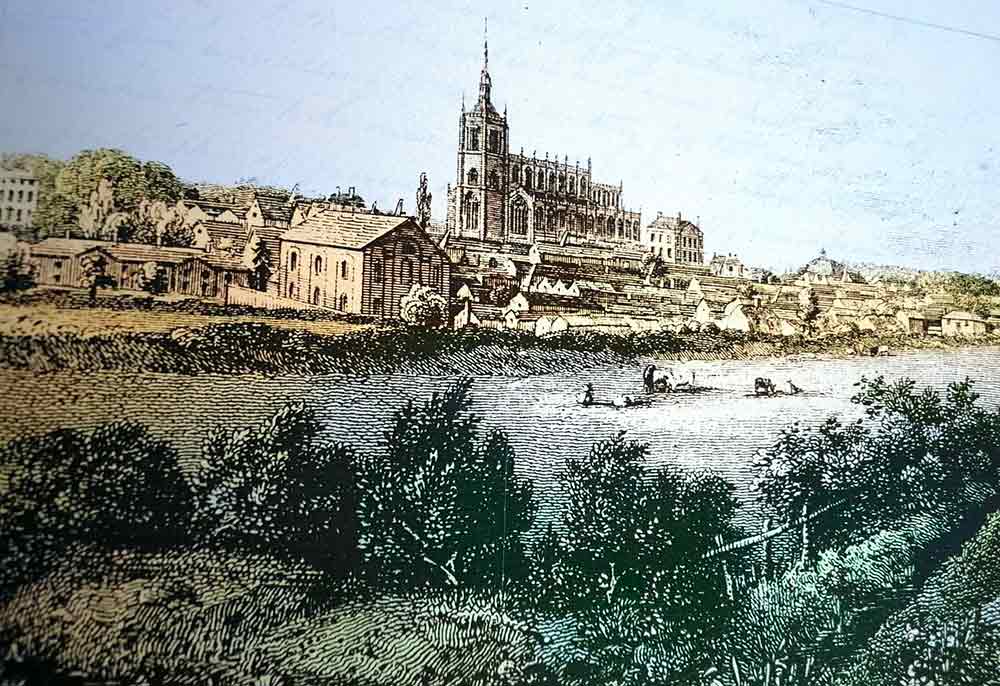
In medieval Walden the parish church was physically dominant from its location near the castle on the ‘acropolis’ above the market. It also played a focal role in the cultural life of the town.
- Rose & Crown Inn, Saffron Walden, 1359 –1969
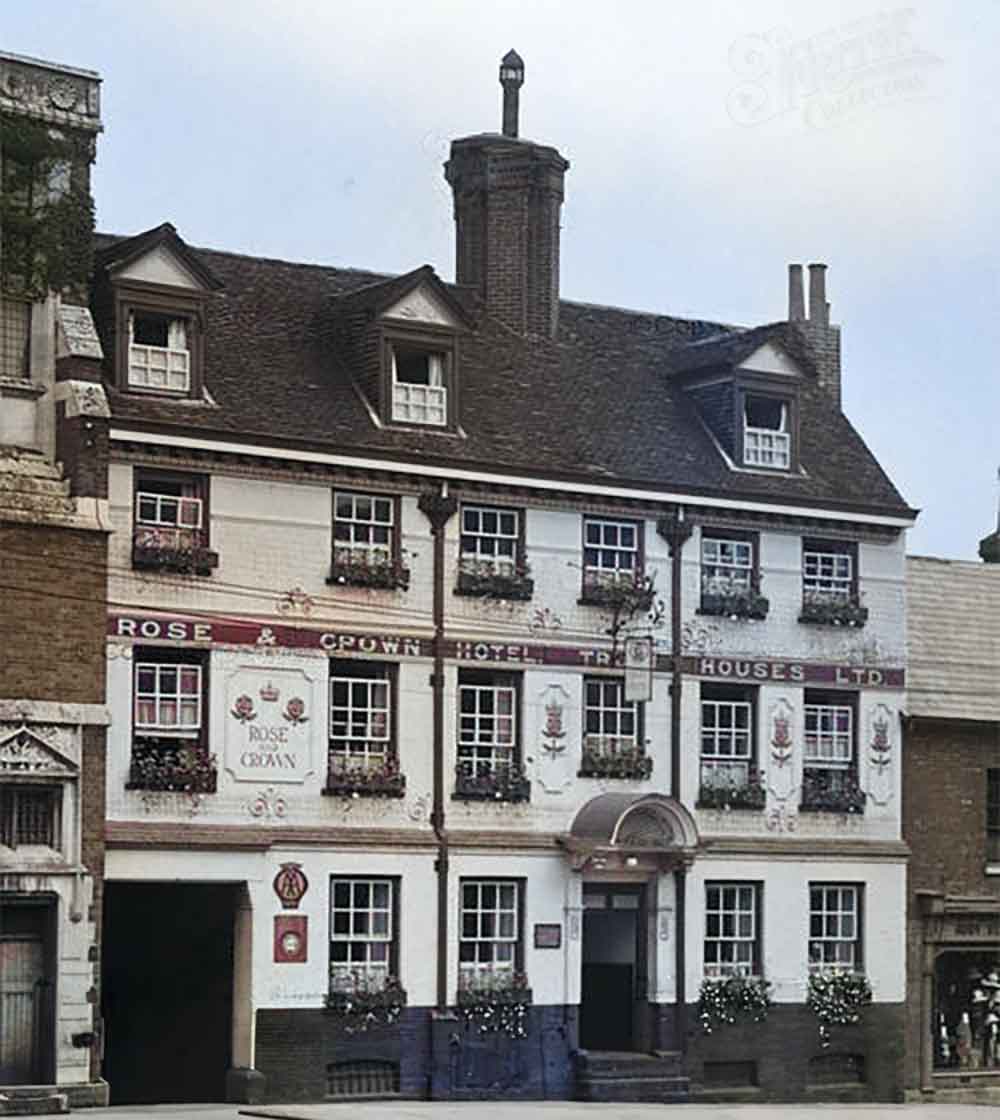
December 2009 marked the 40th anniversary of the tragic fire at the Rose & Crown Hotel in Saffron Walden, during which eleven people lost their lives.
- Saffron Walden and the Struggle for Democracy
The English Civil War, which divided England between the supporters of Charles I and those of Parliament in the middle of the 17th century, ground to a temporary conclusion in the twelve months following the Parliamentary army’s victory at the battle of Naseby on 14 June 1645
- Saffron Walden Borough Arms Deo Adjuvante Floremus
In 1784 William Robinson jnr made a drawing which included the Borough Arms as used then, based on the 1688 seal made after the 1685 Charter.
- Saffron Walden College
During the years 1884-1977 Saffron Walden College for Mistresses had a distinguished history. It was early in the field of providing a course related to the multi-ethnic character of many schools
- Saffron Walden Convent
Until 1974, a forbidding brick wall ran along the Ashdon Road on the north side of the Common, largely concealing an even more forbidding and austere building.
- Saffron Walden in the First World War
At 11 o’clock on the evening of 4 August 1914, soon after its troops had invaded Belgium’s neutrality, Great Britain declared war on Germany. ‘Worthy of Laughter or Tears?’ – Armistice 1918
- Saffron Walden Museum Ethnography
Upstairs, in the semi-darkened rooms of Saffron Walden Museum, there lies a remarkable collection of cultural artefacts from all around the world, many of them gathered at the height of Victorian collection fever.
- Saffron Walden Museum: A History- ‘STAND AWHILE AND ADMIRE’
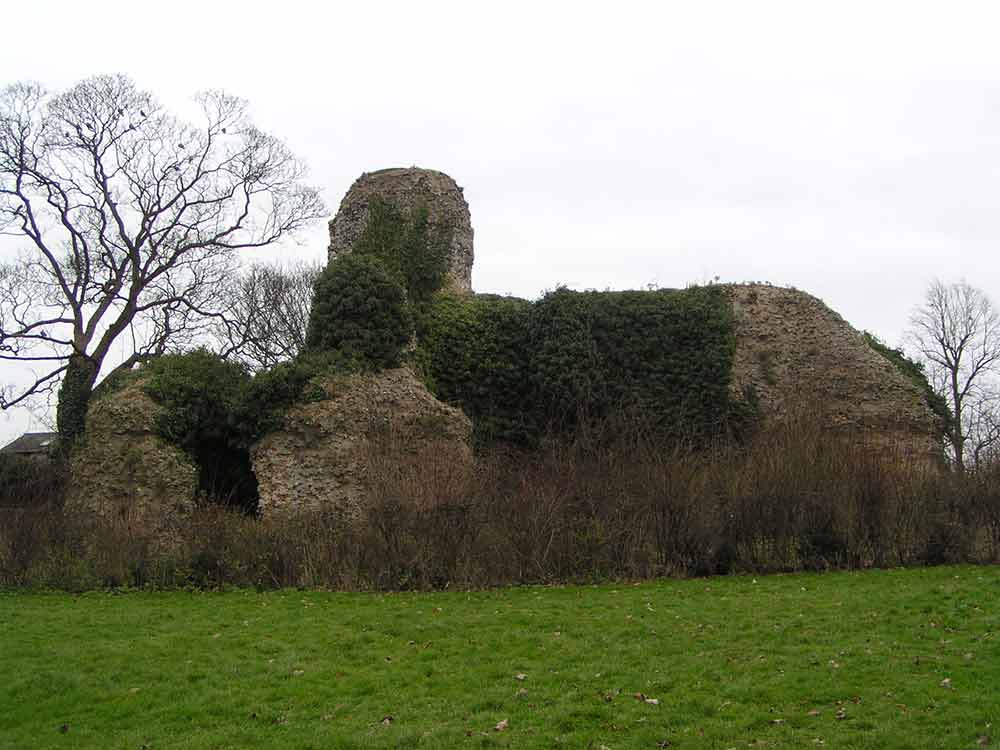
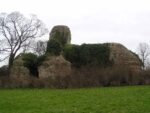
In September, 1832, three gentlemen strolled across the grass in front of the ruined keep of Walden Castle, deep in conversation. They were talking about the possibility of putting up a building for use as a museum
- Saffron Walden Survey 1912
The few dog-eared carbon copies that provided my introduction to the Saffron Walden Survey failed to reveal the unusual story behind its compilation.
- Saffron Walden Town Football Club History of ‘The Meadow’
Having played on the Common in Saffron Walden for 18 years since their formation in 1872, where their only means of raising funds was to take a voluntary collection box around the pitch and request a donation from spectators, the Saffron Walden Town Football Club sought a new ground where they would be able to charge an admission fee.
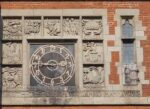
- Saffron Walden Town Hall
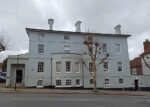
A book with the title ‘Accct of Town Hall & New Buildings begun 1761’ in the town archives is endorsed ‘Samuel Fiske 1826 given me by J. Wolfe Esq’.
- Saffron Walden Underground
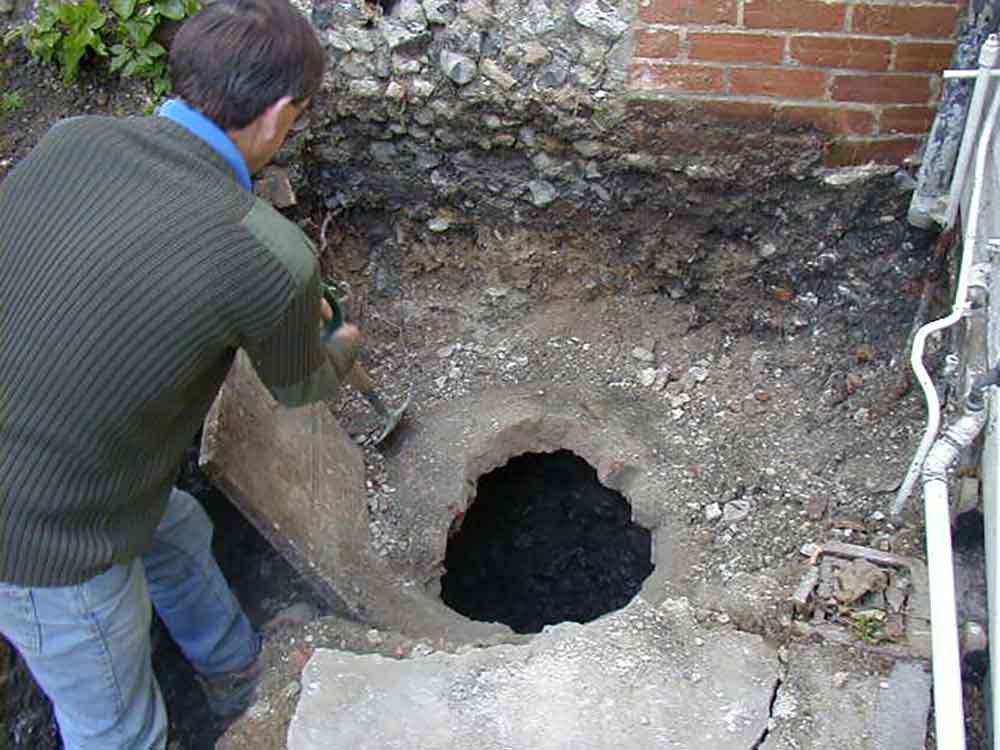
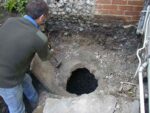
Quite apart from the archaeology of Saffron Walden, there are a number of underground phenomena, mainly man-made. Here are some I have come across in my work as an architect in the town.
- Saint Blaise
Because of the importance of wool to the local economy, celebrations of Saint Blaise's day regularly took place in Saffron Walden. The last procession reportedly took place in 1778.
- Samuel Pepys and Saffron Walden
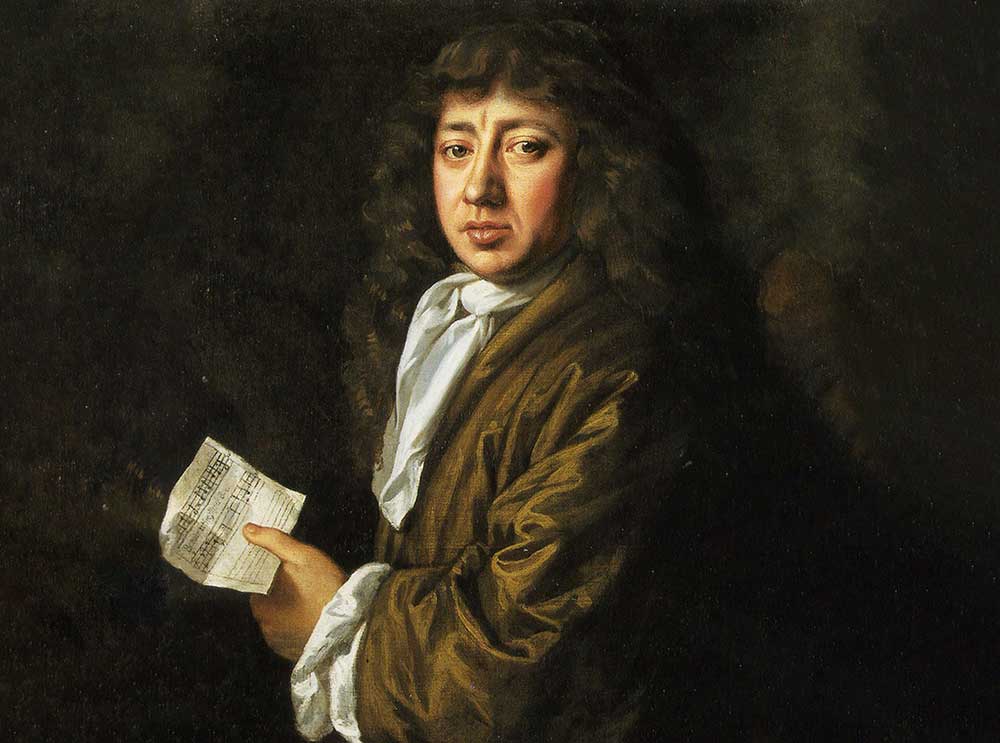
Samuel Pepys began his diary at the age of 27 years on 1st January 1660. At Audley End, Pepys somewhat seditiously drank the health of Charles II who was not to return from exile for another four months.
- Sarah Chesham, The Archetypical Poisoning Woman
Sarah Chesham was a working-class, illiterate woman who lived at Ponds cottages in Clavering. She was charged with murder (poisoning with arsenic) and tried on four occasions,
- Seventeenth Century Copper Tokens of Saffron Walden: a commentary
Copper farthing and halfpenny coins were issued in the mid-17th century by the town's tradesmen in the absence of royal copper coinage.
- Sewards End, a Farmer’s Boy in the 1940s-50s
The first 18 years of my life were spent on a small farm known as ‘Woodside’ in between Sewards End and Ashdon
- Sir Thomas Smith’s Role in the Reformation
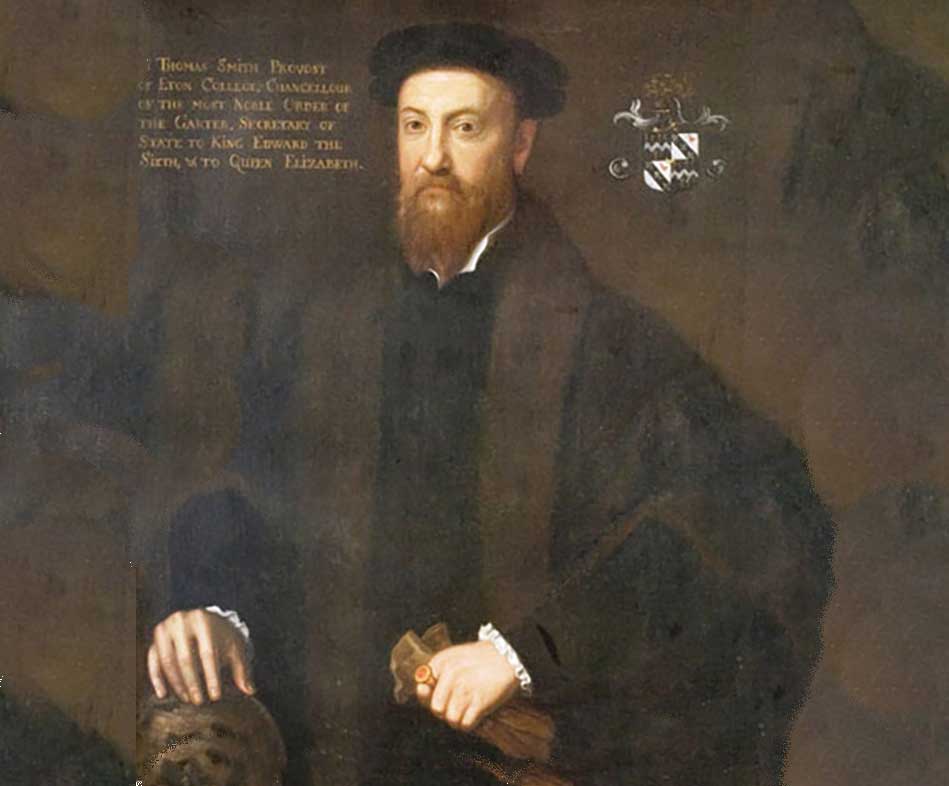
Thomas Smith, born in Saffron Walden in 1514, rose to hold one of the great offices of state, Secretary of State, first to King Edward VI and then to Queen Elizabeth 1
- Sir William Waad of Battles Hall, Manuden-Lieutenant of the Tower of London.
On the north wall of what used to be called 'Battles' Chapel', now the vestry of St Mary's Church, Manuden, is a large, elaborate tablet extolling the virtues of Sir William Waad who lived at Battles Hall, Manuden from 1586 to 1623
- Skulduggery in the History of Strethall-A Millennium of Malfeasance in the Smallest Parish
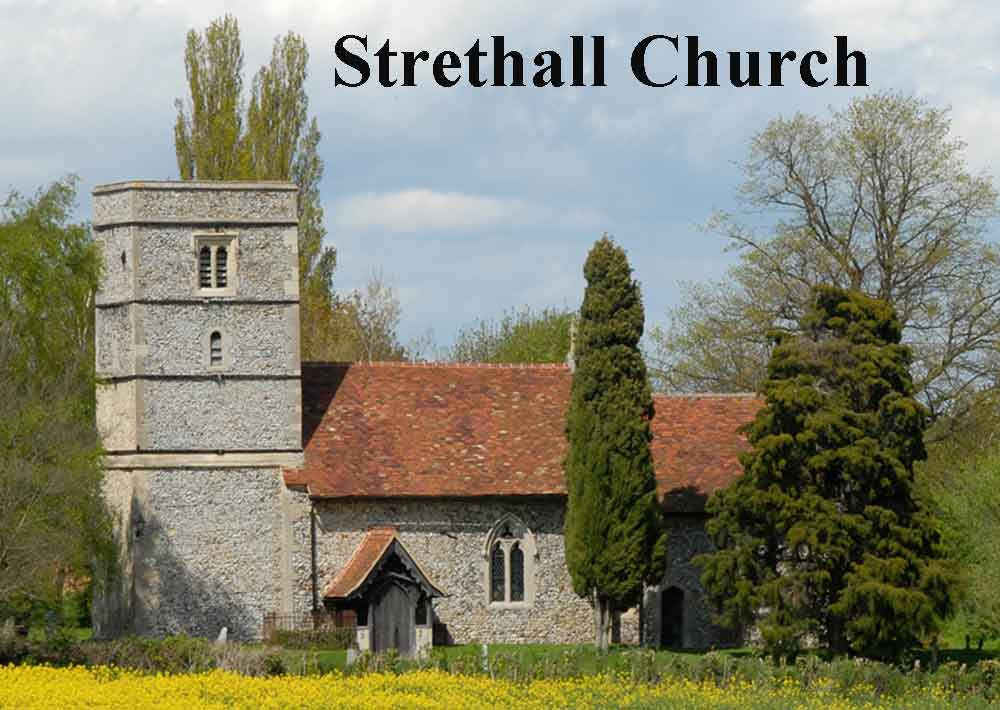
Small parishes do not necessarily have brief histories. Strethall (600 acres, 11 houses - current population 22) is arguably the smallest parish in Essex but its origin can be traced back well before Domesday when the 10 hides of land sold by King Aethelred
- Some Saffron Walden Buildings and their Architects
Saffron Walden’s many and remarkable old buildings include features of nearly every architectural period from Norman times until the present day.
- Some Stately Homes of North-West Essex
The manor and estates of Little Easton were held in the Middle Ages by the Bourchiers, Earls of Essex 1356 – 1540. In 1582 the Manor of Easton, with its estates, was gifted by Queen Elizabeth I to Henry Maynard in recognition of his long service as Private Secretary to Lord Burleigh, the Queen’s Treasurer and Lord Chancellor.
- Somme Anniversary
On 1st July 1916 began the longest and most costly land battle in British history – the battle of the Somme.
- St. Mary’s, Saffron Walden Burial Registers 1558-1892
The burial registers officially continue until the end of 1856, when the churchyard was closed for burials due to overcrowding
- Strethall Lad does OK
More often than not, history is concerned with the activities of the great and the good. It is a rare event indeed to be able to give an account of the adventurous life of a farm labourer born in a remote rural community almost 200 years ago.
- The Marquis d’Oisy: Aesthete, Eccentric and Enigma
On a warm summer’s afternoon in 1917, the London to Cambridge train pulled up at Elsenham station. From out of the First Class carriage stepped the train’s only passenger: a tall, thin gentleman with an aristocratic bearing, his black greying hair rustling slightly in the breeze.
- The Misses Hart of Saffron Walden
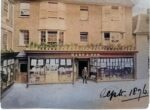
The story of Hart's is well known: of how Henry Hart, a carpenter's son from Linton, was apprenticed as printer in 1814 to George Youngman in Market Hill, Saffron Walden; and of how he bought his own printing press in 1836 and set up a stationery shop.
- The Richest Man in Walden
George Stacey Gibson was not only Saffron Walden’s greatest Victorian benefactor but he was also probably the richest citizen of the town in his lifetime.
- The Stone Coffin, the Lost Chapel and the Miracle of the Ring
This is the intriguing story of one of the Miracles associated with Edward the Confessor, the last of the Saxon kings, and of its connection to a long-forgotten chapel in the village of Clavering in NW Essex
- The Walden Slades
The Slades, three little streams that run through Saffron Walden, have an interesting history, including their impact on the town. The three streams drain the high land east of the town.
- Town Library, 1834-1989, Saffron Walden
The Town Library in Saffron Walden was founded in 1834 by a group of Nonconformist local business men who were concerned to provide more opportunities for self help education in the town
- Turf Maze on Saffron Walden Common
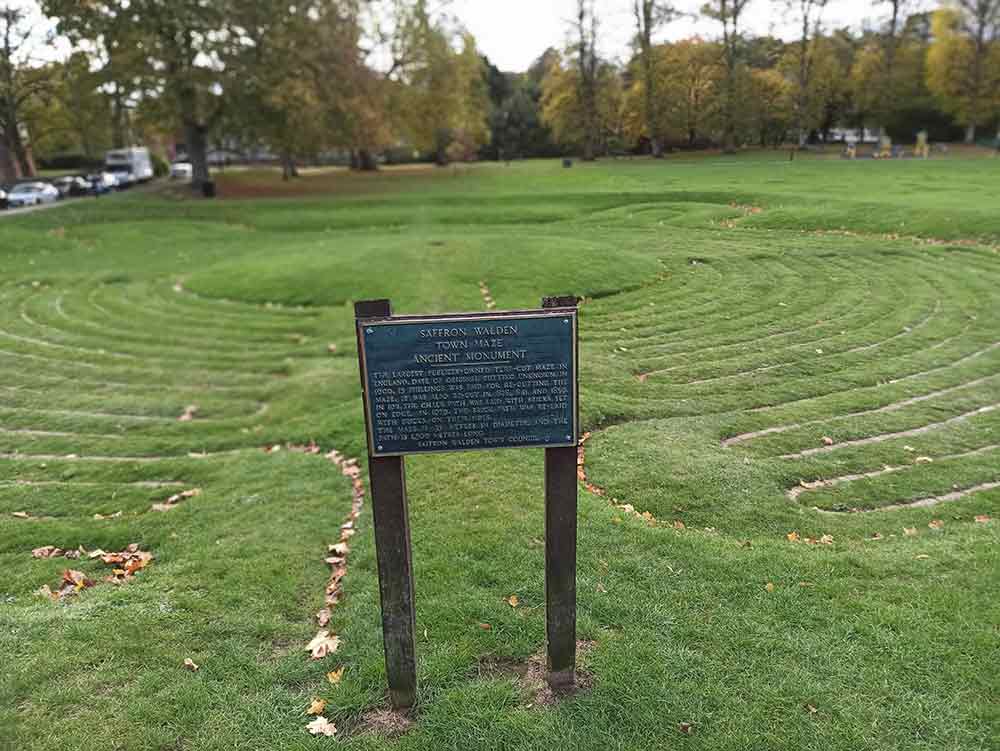
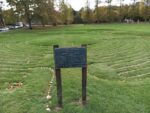
The turf maze or labyrinth at Saffron Walden is one of the best-known and well-maintained historic turf labyrinths in Europe, and it is also the largest surviving example
- W.E. Nesfield and the Missing Archives
Neither the rector nor the architect could have foreseen the consequences that were to follow once the Rev J.F.W. Bullock had asked William Eden Nesfield in 1867 to restore and enlarge his parish church at Radwinter.
- War Ag in Saffron Walden district during the Second World War
The State-directed food production campaign of the Second World War had more impact on British farming than any previous State intervention.
- Water Wells and Handpumps of Uttlesford
At one time, the centre of any successful settlement was a fresh, clean water supply, but now many of the historic wells, their wellheads and handpumps are no more.
- Wicken Bonhunt-Holed stones and sharp iron: equine folklore
The tiny settlement of Bonhunt, part of the parish of Wicken Bonhunt, four miles south-west of Saffron Walden, consists today of only four houses and the abandoned and desecrated early medieval chapel of St. Helen
- Widow Mowl-her story: Parish politics in 18th century rural England
Elizabeth Pomfrett was born in Saffron Walden in 1742. On the 2 May 1774 she married John Mowl, a higler of Thriplow in Thriplow Church.
- Wimbish and Thunderley – the development of settlement in a boulder-clay landscape
Thunderley and Wimbish since the Conquest, landholding and agricultural change in NW Essex
- Wimbish: Dissenters’ Burial Ground
The Wimbish Dissenters’ burial ground today is well-maintained, planted with bulbs, and contains two memorial stones, as well as a seat donated by descendants in 2002.
- Windmills of Walden
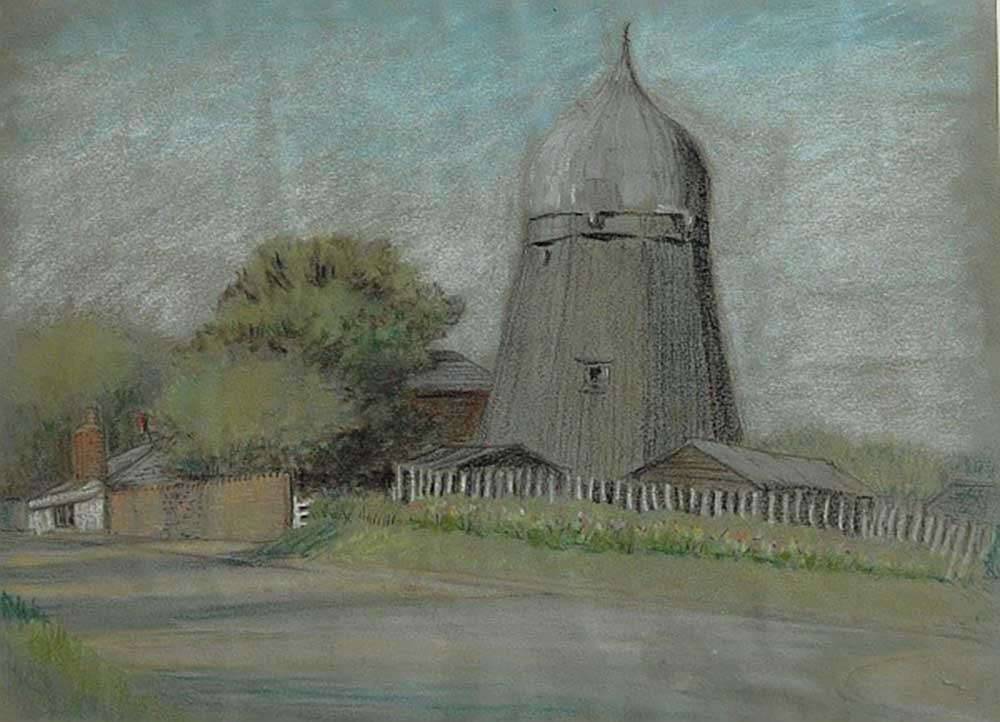
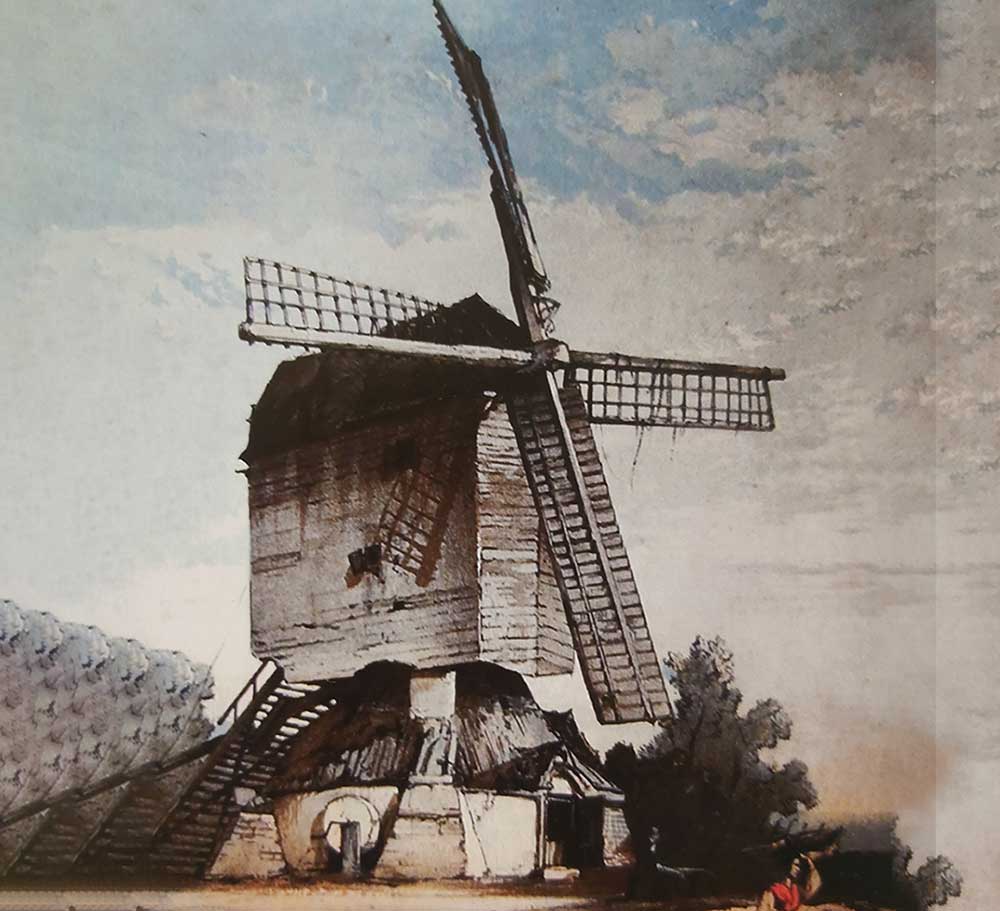
Windmilling has a long history in Essex and began probably in the 12th century. The earliest recorded windmill was at Henham in 1202.
- Wombwell’s Menagerie
George Wombwell was one of nine children of John Wombwell and Sarah Rogers. George was born on 24 December 1777 in Duddenhoe End in N.W. Essex