
John Collin, who was born in 1740 and died in 1783, was an attorney and banker from Saffron Walden.

Below you'll find a list of all posts from 2025
John Collin, who was born in 1740 and died in 1783, was an attorney and banker from Saffron Walden.

The story of Hart’s is well known: of how Henry Hart, a carpenter’s son from Linton, was apprenticed as printer in 1814 to George Youngman in Market Hill, Saffron Walden; and of how he bought his own printing press in 1836 and set up a stationery shop.
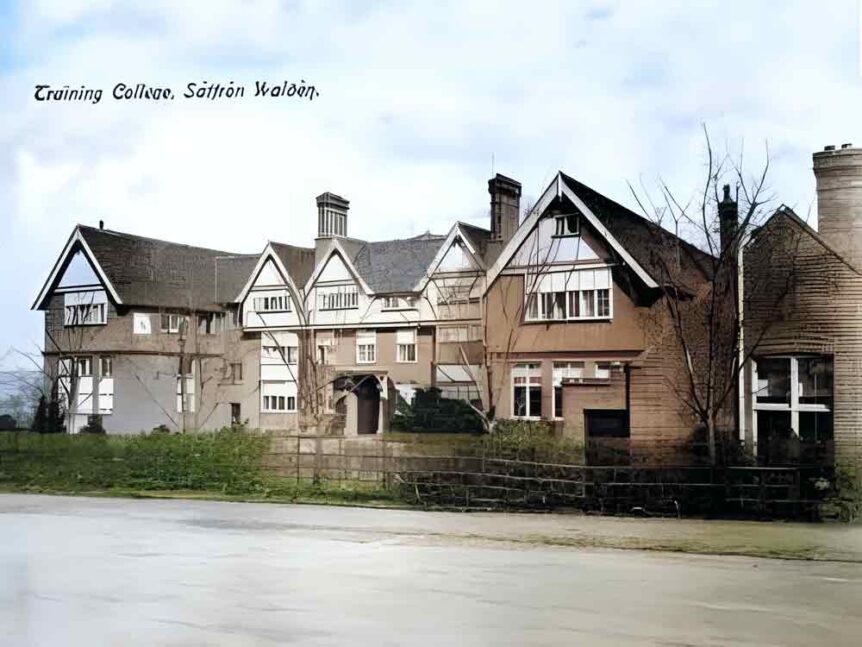
During the years 1884-1977 Saffron Walden College for Mistresses had a distinguished history. It was early in the field of providing a course related to the multi-ethnic character of many schools
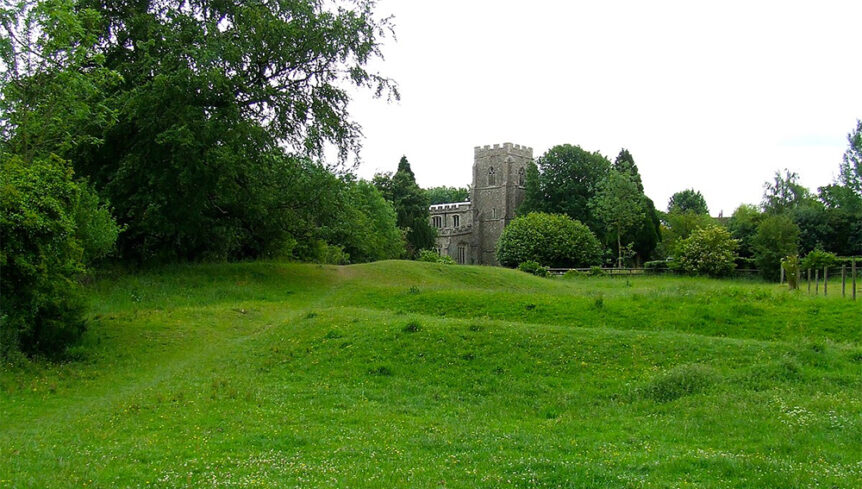
Clavering Castle, which lies next to the Parish Church, is a large moated site designated by English Heritage as a Scheduled Ancient Monument, of Saxon or medieval origin.

The National Trust in recent years has spoken out about the damage that could accompany ill-considered decisions to build on green-field sites as a result of the relaxation of current planning policies.
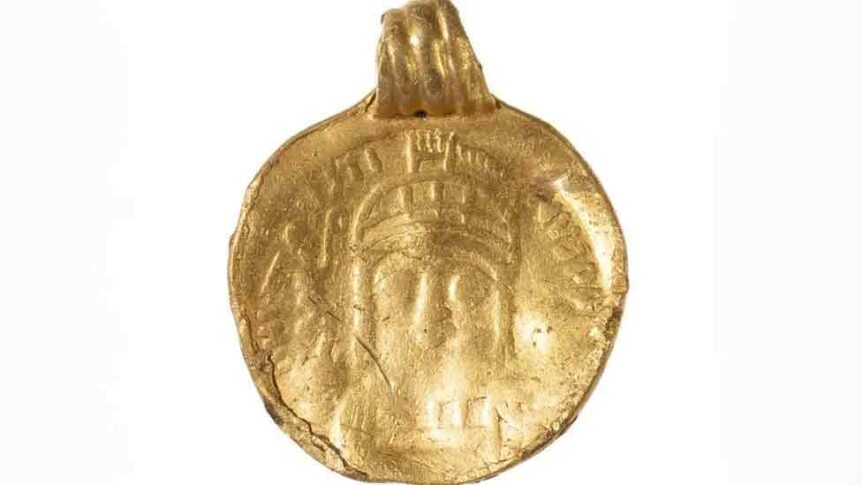
The piece of jewellery shown above is a 6th Century replica of a Byzantine coin and was found by a metal detectorist near Thaxted, Essex and the discovery of such an early medieval gold coin pendant “literally sheds a light” on a period of a county’s history about which little is known. It was minted in Europe and then brought …
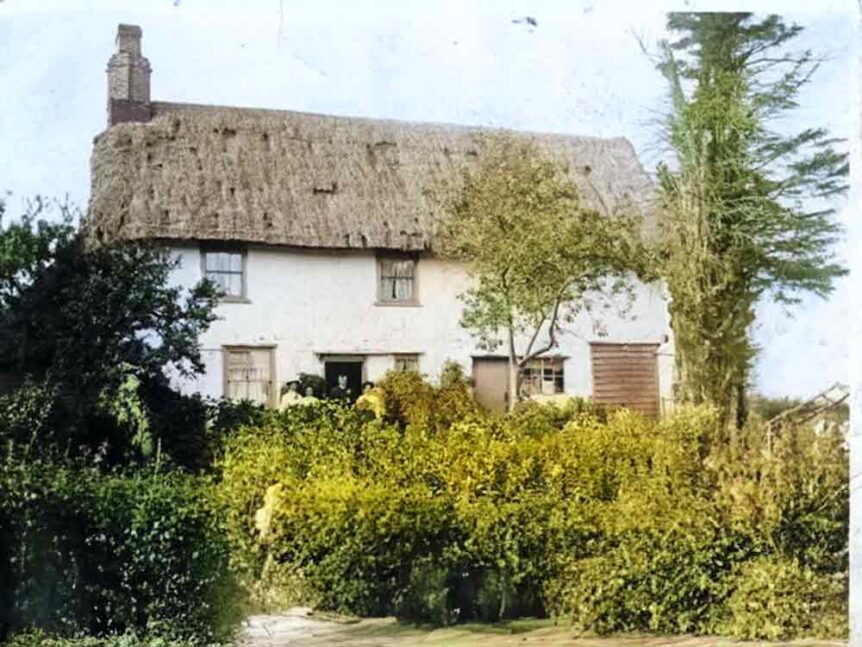
Sarah Chesham was a working-class, illiterate woman who lived at Ponds cottages in Clavering. She was charged with murder (poisoning with arsenic) and tried on four occasions,

People of the middling sort were rare in the 16th and 17th century. In the arable areas of Essex, most people were either farm labourers (i.e. essentially, peasants) or were part of the small, all-powerful gentry.
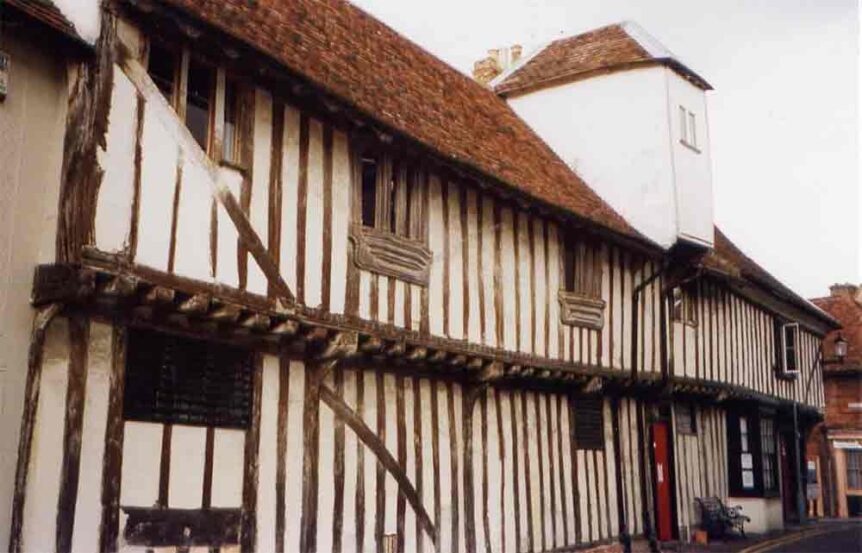
Saffron Walden’s Youth Hostel stood on the corner of Myddylton Place and Bridge Street, once the main trading route and busy thoroughfare leading from London to Cambridge.
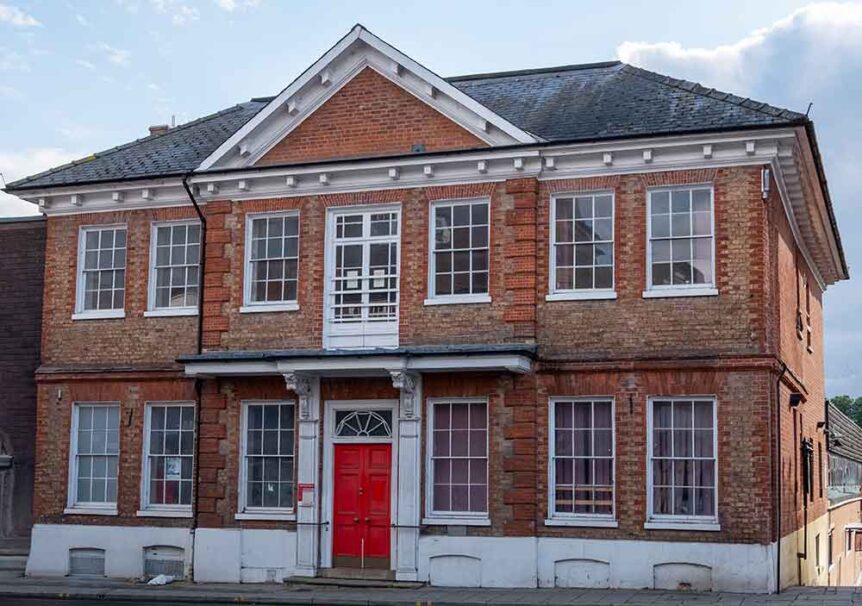
After 1779 many private schools sprang up to cater for the needs of those who were not only dissatisfied with the old- fashioned, grammar schools for their sons, but also wanted education for their girls.

In 1973 the National Association of Decorative & Fine Art Societies or NADFAS (Now known as The Arts Society) set up an ambitious project to record all the features of churches, including names of artists, manufacturers, donors and those commemorated.

The manor and estates of Little Easton were held in the Middle Ages by the Bourchiers, Earls of Essex 1356 – 1540. In 1582 the Manor of Easton, with its estates, was gifted by Queen Elizabeth I to Henry Maynard in recognition of his long service as Private Secretary to Lord Burleigh, the Queen’s Treasurer and Lord Chancellor.