
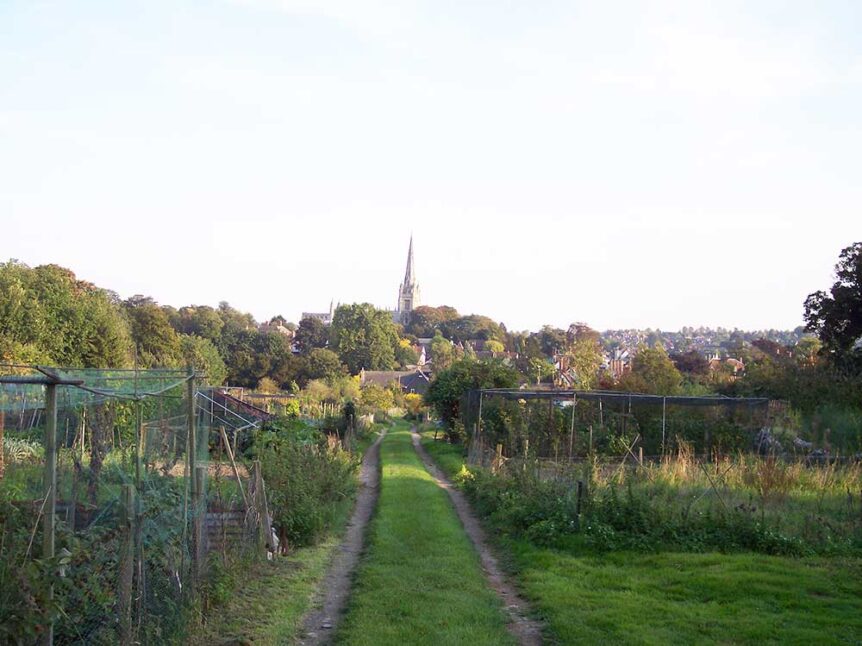
On 24 January 2026, it was 195 years since 25 men drew lots to decide which plot they would have at Windmill Hill
Below you'll find a list of all posts from 2026
On 24 January 2026, it was 195 years since 25 men drew lots to decide which plot they would have at Windmill Hill
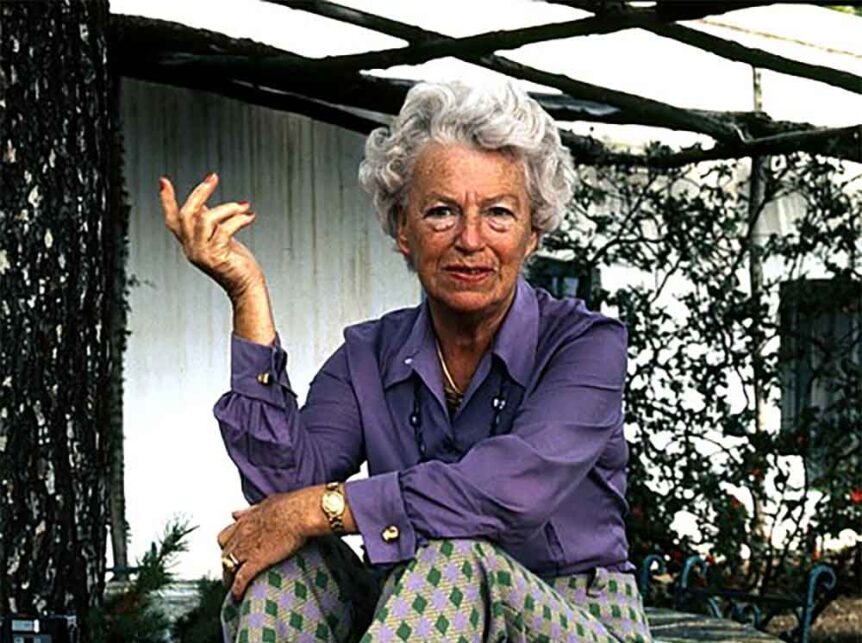
Gracie Fields was an actress and singer who became a star of both cinema and music hall.
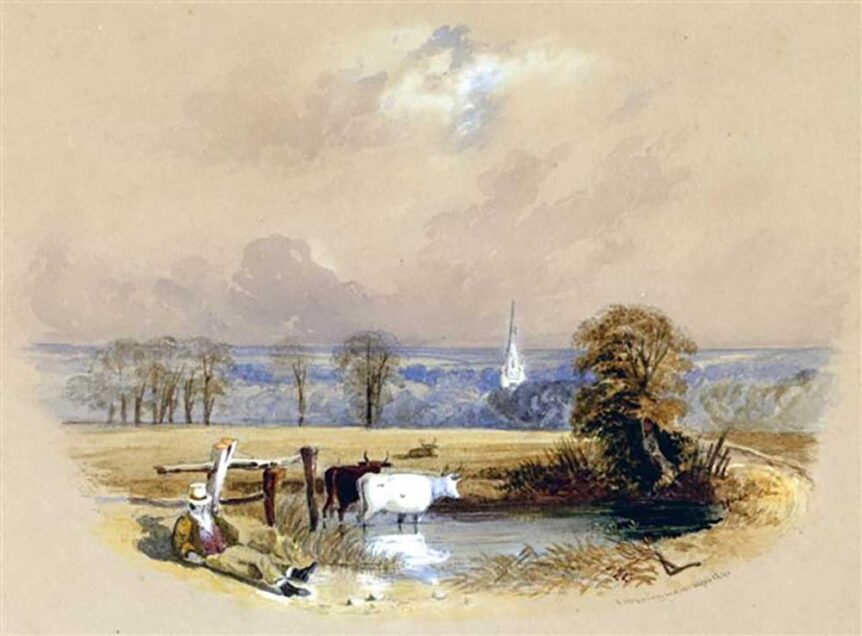
The long history of Saffron Walden as a marketing centre arises from its inseparable contact with the land of the surrounding country.
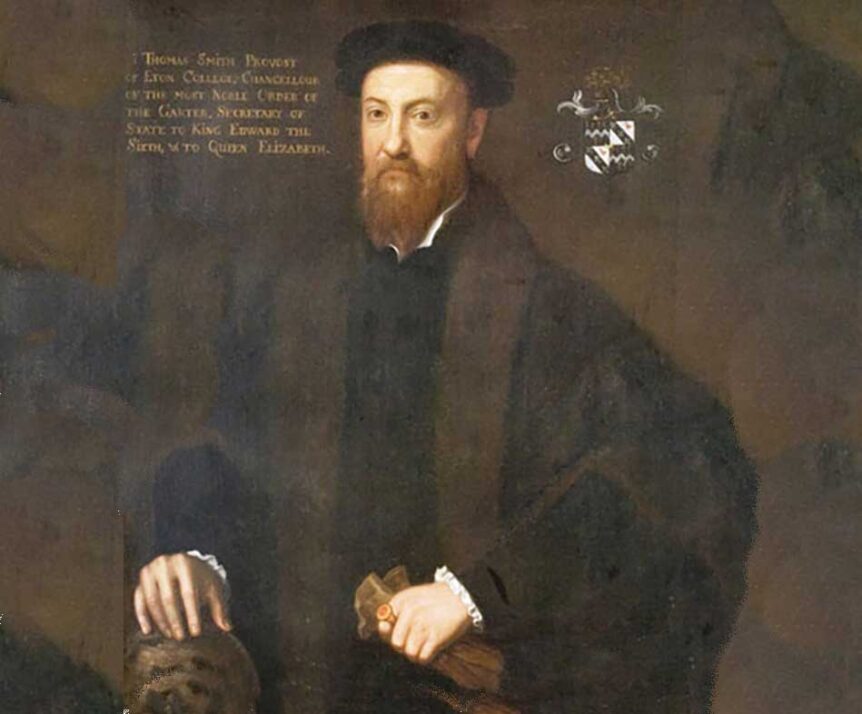
Thomas Smith, born in Saffron Walden in 1514, rose to hold one of the great offices of state, Secretary of State, first to King Edward VI and then to Queen Elizabeth 1
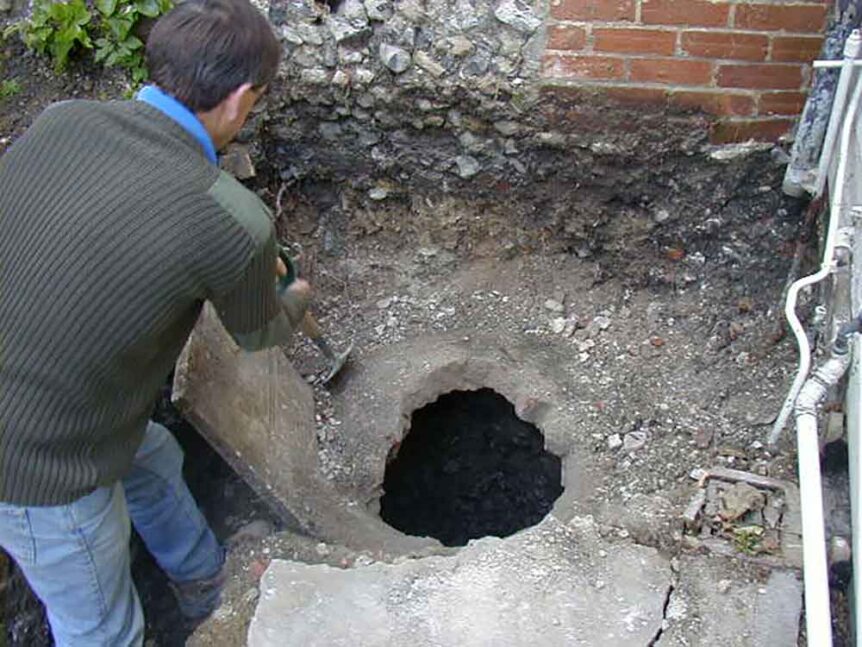
Quite apart from the archaeology of Saffron Walden, there are a number of underground phenomena, mainly man-made. Here are some I have come across in my work as an architect in the town.
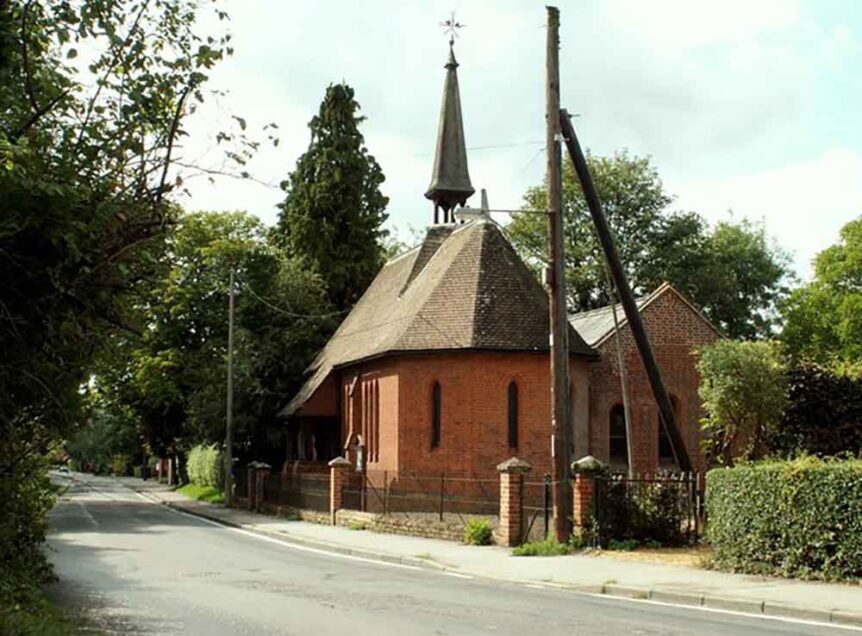
The first 18 years of my life were spent on a small farm known as ‘Woodside’ in between Sewards End and Ashdon
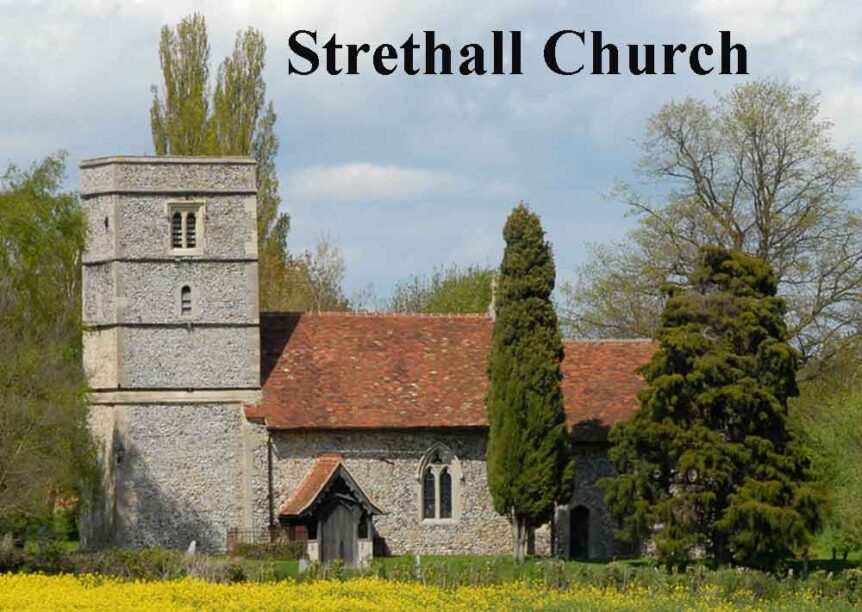
William Raymond Lluellyn, a Colonel in Queen Victoria’s Army, was Lord of the Manor in Imperial Strethall from 1890 to 1900.
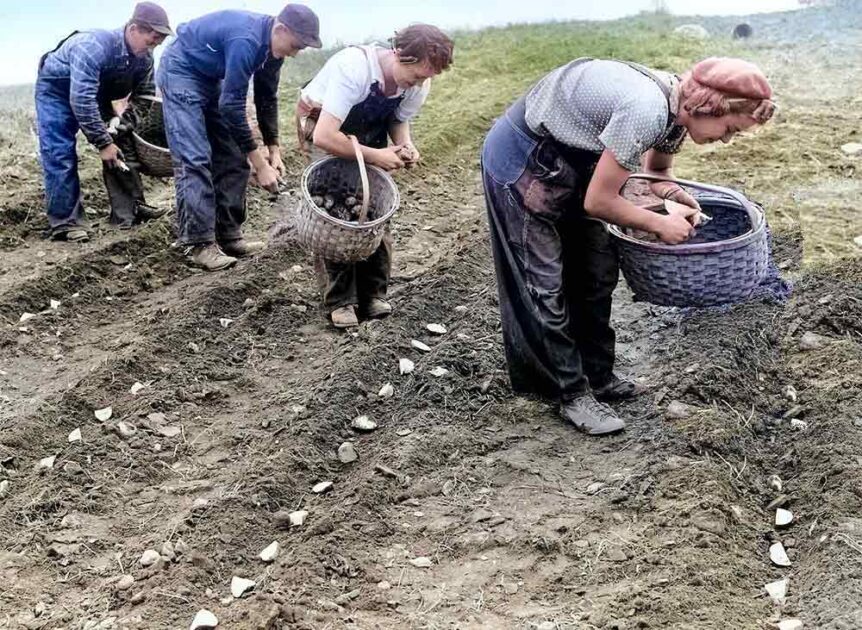
The first question that has to be answered is ‘why the potato?’ – surely a mundane subject for a local history journal?
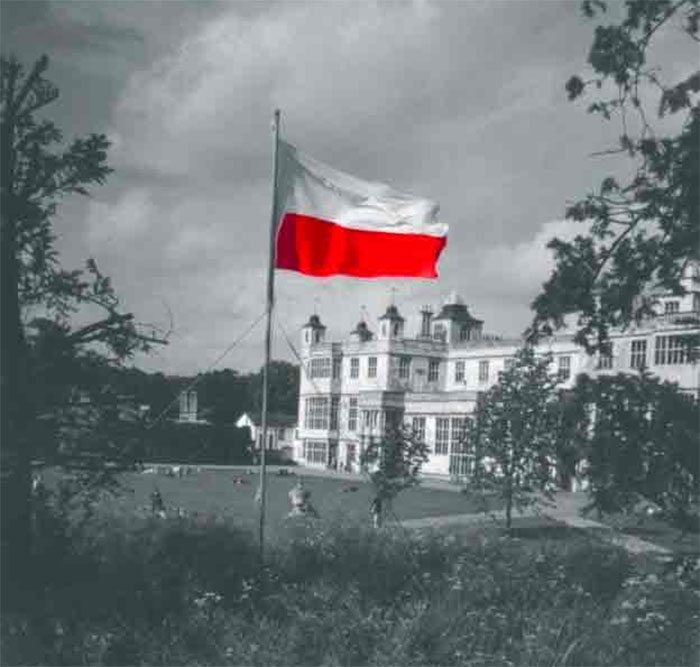
Today Audley End House near Saffron Walden is one of the most popular tourist destinations in East Anglia. But its role during World War Two remained shrouded in secrecy for decades.
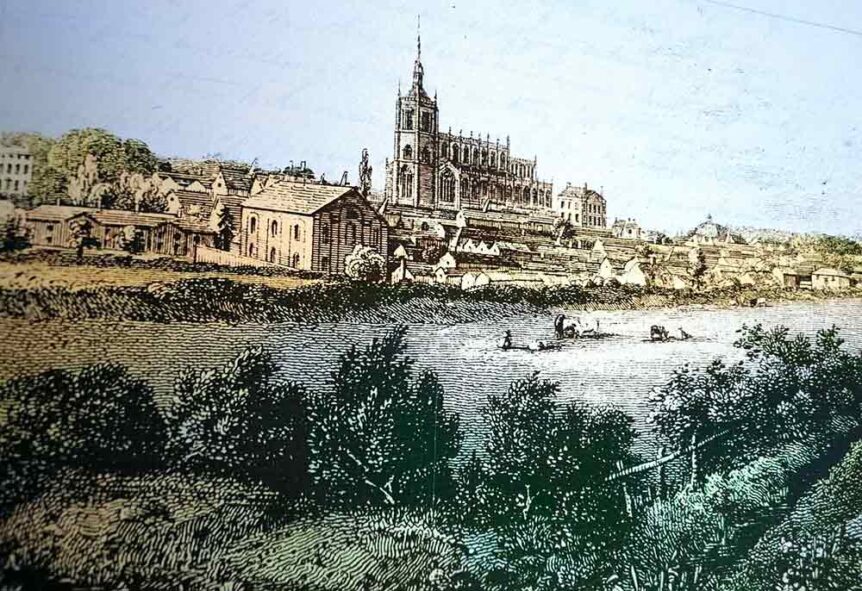
In medieval Walden the parish church was physically dominant from its location near the castle on the ‘acropolis’ above the market. It also played a focal role in the cultural life of the town.
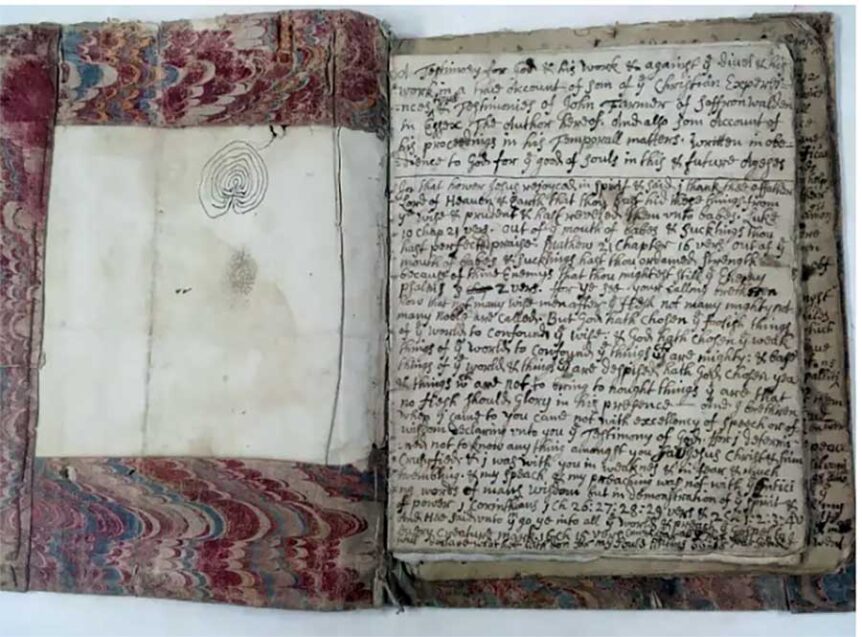
John Farmer, a Quaker living in Saffron Walden in the early 18th century, asked for permission to travel further than most – to America.
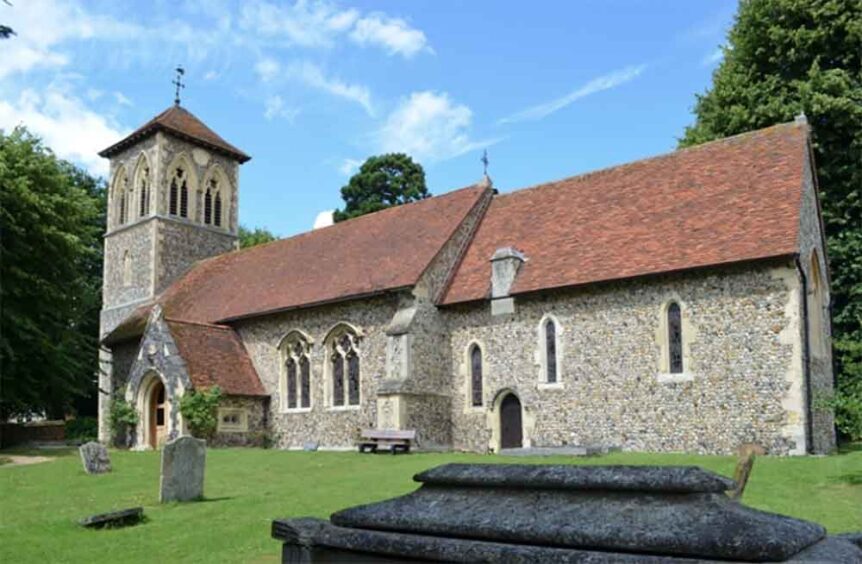
The Rector of St Margaret’s Parish Church, Wicken Bonhunt in the mid-19th century exemplified a section of Anglican clergy