saffron
walden
historical society

Featured image for “Using Field Names to Reconstruct the Past: a study of Clavering”
October 22, 2025 • posted in Articles

Using Field Names to Reconstruct the Past: a study of Clavering

The study of place names requires a knowledge of ancient languages, which discourages contribution by the amateur. Not so with field names, for which the knowledge of local historians can provide vital clues to interpretation.
Read More
Featured image for “Light, Intense and Accurate ”
October 21, 2025 • posted in Recommended Reading

Light, Intense and Accurate 

Reproduction of a book about US Air Force Fighter tactics developed to counter light flak during World War Two operations,
Read More
Featured image for “The Battle Ditches in Saffron Walden”
October 18, 2025 • posted in Articles

The Battle Ditches in Saffron Walden

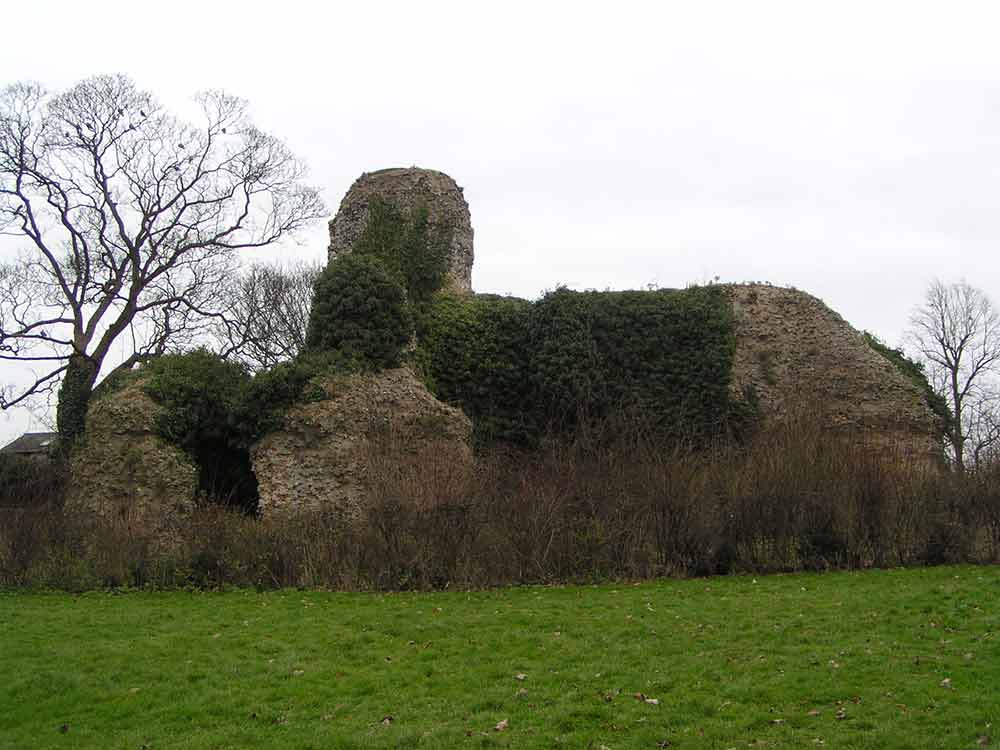
This article brings together some of my reading and offers some suggestions as to the purpose of the Battle Ditches and a possible candidate for the driving force behind such a large undertaking. It should be said that the earthworks are most probably part of the town enclosure, but throughout the article they will be called the Battle Ditches.
Read More
Featured image for “Dick Turpin the Myth of the English Highwayman”
October 17, 2025 • posted in Recommended Reading

Dick Turpin the Myth of the English Highwayman

Almost everything people know about Dick Turpin and highwaymen is myth. The historical truth is much nastier, more brutal and bloody. Who was this notorious highwayman and why did he become so famous?
Read More
Featured image for “Not Jumbo: Saffron Walden Museum’s Elephant 1834 – 1960”
October 14, 2025 • posted in Articles

Not Jumbo: Saffron Walden Museum’s Elephant 1834 – 1960

One of the most illustrious specimens to be displayed in Saffron Walden’s museum was the famous elephant. Yet it was very nearly sent away without being unpacked. It arrived in the country in 1834, together with a large number of other southern African animals and birds, as a response to a letter written by Hannibal Dunn, one of the founder members of the Saffron Walden Natural History Society, to his brother Robert then living at Algoa Bay in the Eastern Cape of South Africa.
Read More
Featured image for “HENRY WINSTANLEY (1644-1703). The Last Renaissance Engineer”
October 13, 2025 • posted in Recommended Reading

HENRY WINSTANLEY (1644-1703). The Last Renaissance Engineer

Henry Winstanley of Saffron Walden was an ‘engineer’ in both the late mediaeval and the modern sense of the word. Working with pumps, automata, clockwork and fireworks he created wonders which were mechanical, theatrical and hydraulic.
Read More
Featured image for “Mr Saffron Walden: The Life and Times of George Stacey Gibson (1818-1883)”
October 13, 2025 • posted in Recommended Reading

Mr Saffron Walden: The Life and Times of George Stacey Gibson (1818-1883)

GEORGE STACEY GIBSON was in many ways the quintessential Victorian philanthropist. Very little happened in Saffron Walden without his knowledge. As the town’s banker, Gibson had his finger in many pies. He was a Councillor and then Alderman for 24 years, and was twice elected Mayor.
Read More
Featured image for “4th Fighter Group ‘Debden Eagles’”
October 12, 2025 • posted in Recommended Reading

4th Fighter Group ‘Debden Eagles’

With first-hand accounts and colour artwork, this book describes the planes and pilots of the famous 4th Fighter Group ‘Fourth but First’ that became the highest-scoring unit of the mighty 8th Air Force in World War 2.
Read More
Featured image for “From Jacobean Mansion to Sabotage School: the wartime history of Audley End House”
October 10, 2025 • posted in Articles

From Jacobean Mansion to Sabotage School: the wartime history of Audley End House

Audley End House, codenamed Special Training School (STS) 43, was the principal establishment for training Polish SOE agents, 1942-1944. They were called ‘Cichociemni’, pronounced ‘chicko-chemny’, which translates as the ‘unseen and silent’.
Read More